
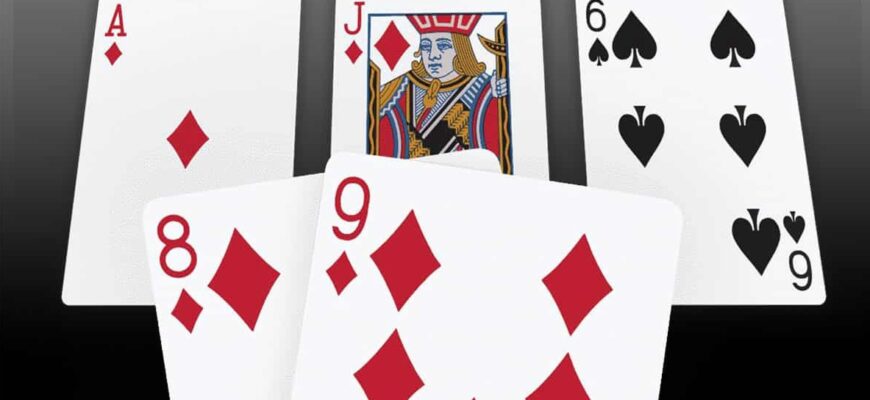
A flush draw is one of poker’s most exciting and deceptive situations. You don’t have a made hand yet, but you hold four cards of the same suit and need just one more to complete a flush—one of the strongest possible holdings. Whether you’re on the flop or turn, in Texas Hold’em or Omaha, knowing how to correctly play a flush draw can mean the difference between folding a hidden gem and stacking your opponent.
This guide dives deep into the mechanics, strategy, and psychology behind flush draws. From counting outs to bluffing on the river, we’ll cover everything a winning player needs to know to extract maximum value from this unfinished—but potentially devastating—hand.
- What Exactly Is a Flush Draw?
- How to Calculate Equity and Pot Odds
- Using the Rule of 4 and 2
- Flush Draws in Texas Hold’em vs. Omaha
- Strategic Approaches by Street
- Flop Play: Aggression or Control?
- Turn Play: The Critical Decision Point
- River Play: Bluff or Value Bet?
- Common Mistakes to Avoid
- Advanced Tactics: Semi-Bluffing and Fold Equity
- Flush Draws in Tournaments vs. Cash Games
- When to Fold a Flush Draw
- Final Thoughts: Turn Potential into Profit
What Exactly Is a Flush Draw?
A flush draw occurs when a player holds four cards of the same suit and needs one more to complete a five-card flush. In Texas Hold’em, you usually have two suited hole cards and see two matching cards on the board. In Pot-Limit Omaha, where you hold four hole cards, flush draws are far more common and often stronger.

The most typical flush draw is the “nut flush draw,” where your highest card of the suit is an ace, meaning that if you complete the flush, you likely hold the best possible hand. But not all flush draws are equal—some are dangerously dominated, especially in multiway pots.
A standard flush draw has 9 outs (the remaining cards of your suit). However, if a card of your suit appears on the board that could give an opponent a higher flush, your draw may be partially or fully counterfeit.
How to Calculate Equity and Pot Odds
To play flush draws profitably, you must understand equity and pot odds. With 9 outs on the flop, you have approximately 35% equity to hit your flush by the river. On the turn, that drops to about 19%.
Pot odds tell you whether a call is mathematically justified. If the pot is $100 and your opponent bets $50, you’re risking $50 to win $150. That’s 3-to-1 pot odds. Since you’ll hit your flush about 19% of the time on the turn, you need better than 4.25-to-1 odds to call—a $50 bet into a $100 pot is too much unless you have additional equity (like overcards or a backdoor straight draw).
Always combine your flush draw equity with other factors: overcards, hidden straight potential, or fold equity from semi-bluffing. Pure pot odds rarely tell the full story.
Using the Rule of 4 and 2
For quick mental math, use the “Rule of 4 and 2”: multiply your outs by 4 on the flop to estimate your chance of hitting by the river, or by 2 on the turn for a river-only estimate. With 9 outs, that’s 36% (flop) or 18% (turn)—close enough to exact probabilities for in-game decisions.
Flush Draws in Texas Hold’em vs. Omaha
In Texas Hold’em, a flush draw usually involves two suited hole cards and two on the board. Players often overvalue these, especially when they’re not to the nuts. In Omaha, flush draws appear constantly due to four-hole-card structure, and they’re frequently part of combo draws—like a wrap straight draw plus a flush draw, which can yield 15+ outs.
For example, holding A♠ K♠ Q♥ J♥ on a 10♠ 9♠ 2♦ board gives you both a wrap straight draw and a nut flush draw. This hand has enormous equity and should be played aggressively.
In Omaha, non-nut flush draws are extremely dangerous. If you hold 7♠ 6♠ 5♦ 4♦ on a K♠ 10♠ 3♠ board, you have a flush—but you’re vulnerable to any higher spade. Such hands often cost more than they win.
In multi-way Omaha pots, prioritize nut flush draws. If you can’t credibly hold the ace of the suit, consider folding or checking to control the pot size.
Strategic Approaches by Street
Flop Play: Aggression or Control?
On the flop, your decision depends on position, stack depth, and opponent tendencies. If you’re in position with a nut flush draw, a semi-bluff raise can force folds from weaker hands and build the pot when you hit. Out of position, a check-call may be better—especially if you suspect your opponent will barrel the turn.
Don’t auto-raise every flush draw. Against passive opponents who rarely fold, you’re better off just calling and realizing your equity cheaply.
Turn Play: The Critical Decision Point
The turn is where flush draws get tricky. By now, you’ve seen 86% of the board, and your equity has dropped sharply. If you missed your flush and face a bet, folding is often correct unless you have strong showdown value or a credible bluff catch.
If you hit your flush, consider whether it’s likely the best hand. On a board like 8♠ 7♠ 3♦ 2♣, a flush is strong. But on A♠ K♠ Q♦ J♣, even a king-high flush may be second-best.
For deeper strategy on navigating this treacherous street, see our full guide on how to play the turn and river.
Should you bet a completed flush for value or check to trap? It depends on your opponent. Against calling stations, bet for value. Against aggressive players, a check-raise can extract maximum value.
River Play: Bluff or Value Bet?
If you complete your flush on the river, size your bet based on how likely your opponent is to call with worse. If the board is coordinated and scary, smaller bets often get called by top pair or two pair. If you missed your draw, a well-timed bluff can still win the pot—especially if your line tells a consistent story.
Common Mistakes to Avoid
- Chasing non-nut flushes in multiway pots. You’re often drawing dead or to a dominated hand.
- Ignoring implied odds. Sometimes, even if pot odds aren’t there, the chance to win a huge pot on later streets justifies a call.
- Over-bluffing when you miss. Not every missed flush draw is a good bluff—consider board texture and opponent range.
- Failing to account for reverse implied odds. Hitting your flush might cost you a big pot if someone has a higher one.
Calling large bets with a flush draw out of position, especially with no overcards or backdoor equity, is a classic leak that drains your bankroll over time.
Advanced Tactics: Semi-Bluffing and Fold Equity
A semi-bluff occurs when you bet or raise with a draw that isn’t currently the best hand but has high equity to improve. Flush draws are perfect for this because they combine immediate fold equity with strong future potential.
For example, with Q♦ J♦ on a 10♦ 7♦ 2♠ board, a flop raise puts pressure on opponents holding A-K or pocket pairs. Even if called, you still have ~35% equity to win outright.
Semi-bluff most effectively when you have position, your opponent is fold-prone, and the board texture favors your range (e.g., two diamonds on a dry board).
Fold equity—the chance your opponent folds—adds hidden value to your flush draw. Use tools like fold equity calculators to quantify this advantage in tough spots.
Flush Draws in Tournaments vs. Cash Games
In tournaments, stack depth and ICM (Independent Chip Model) heavily influence flush draw play. Near the bubble or in short-stack situations, you may need to fold even strong draws to preserve your tournament life. In deep-stacked cash games, you can afford to play more creatively and realize your equity over multiple streets.
In MTTs with add-ons, like those described in our guide to add-ons in poker, playing speculative hands like suited connectors becomes more viable due to increased effective stack depth.
When to Fold a Flush Draw
Despite its allure, a flush draw isn’t always worth chasing. Fold when:
- The pot odds don’t justify the call and you lack fold equity.
- You’re deep in a multiway pot with a non-nut flush draw.
- The board shows three of your suit and an opponent could already have a flush.
- You’re facing a large overbet that suggests a made hand or a polarized range.
Never let sunk cost fallacy trap you. Just because you’ve already invested chips doesn’t mean you should keep calling with a weak draw.
Final Thoughts: Turn Potential into Profit
A flush draw is more than just four cards of the same suit—it’s a strategic opportunity. Played correctly, it can win pots outright through aggression or deliver hidden value when it hits. But mismanaged, it bleeds chips and fuels tilt.
Start by mastering basic equity calculations and pot odds. Then layer in position, opponent reads, and board texture. Most importantly, always ask: “Is this flush draw likely to be the best hand if I hit it?” If not, proceed with extreme caution.
“Poker is not about the cards you’re dealt, but how you play the draws.”
Your actionable takeaway: In your next session, track every flush draw you play. Note whether it was to the nuts, your position, the pot size, and the outcome. Reviewing this log will reveal patterns—and leaks—in your draw strategy.


