
Theory

Imagine your opponent bets half the pot on the river. You hold second pair. Should you call or fold? Many players guess—but the math has an answer.

Calling a big river bet with second pair might feel like a heroic act—but more often, it’s a costly leak. Bluff-catching isn’t about guessing;

Three-betting—the act of re-raising a preflop open—is one of the most powerful weapons in modern poker. But its effectiveness depends entirely on where
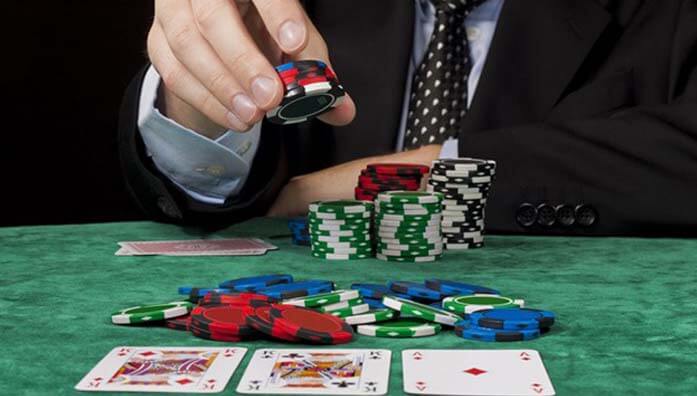
Raising and re-raising are among the most powerful actions in poker—they build pots, apply pressure, and define hand strength. But used incorrectly, they

A backdoor draw is a hidden source of equity that requires two specific cards on the turn and river to complete a strong hand—like a flush or straight.

Reading the board—the five community cards in games like Texas Hold’em and Omaha—is one of the most fundamental yet underdeveloped skills among poker players.

In Pot-Limit Omaha (PLO), the concept of a wrap is foundational to post-flop strategy. Unlike Texas Hold’em—where the maximum number of straight draw outs

In poker, to check means to pass the betting action to the next player without placing a bet. This option is only available when no bet has been made in

In poker, a coinflip refers to a situation where two players go all-in with hands that have roughly equal chances of winning—typically between 45% and 55% equity.
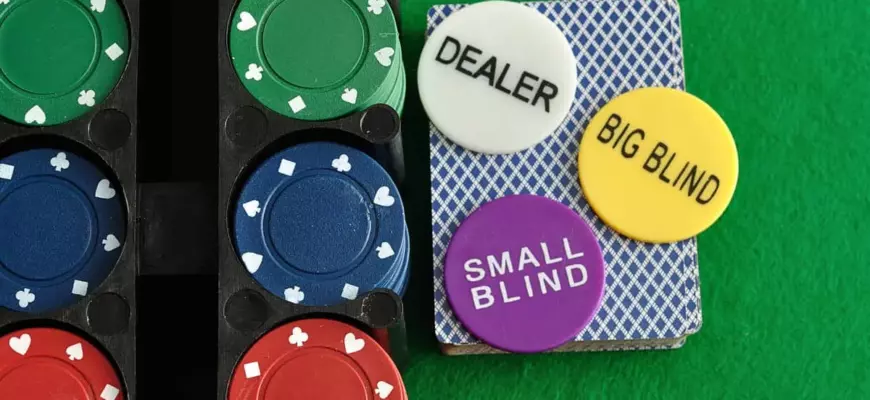
Blinds are mandatory bets that kick off every hand in popular poker variants like Texas Hold’em and Omaha. Placed by the two players to the left of the