So you’ve heard about poker, seen it in movies, or watched a friend win big—but you’ve never played yourself. That’s perfectly okay. Everyone starts somewhere, and this guide will walk you through everything you need to know to go from total beginner to playing your very first hand online. We’ll cover registration, choosing the right poker room, understanding the basics, and making smart decisions from the start—no prior experience required.
- Step 1: Understand What Kind of Poker You’ll Play
- Step 2: Register at a Reputable Online Poker Room
- Step 3: Learn the Basic Actions: Check, Call, Raise, Fold
- Step 4: Understand Blinds, the Button, and Position
- Step 5: Choose the Right Game Type for Beginners
- Step 6: Play Your First Hand—What to Expect
- Step 7: Avoid Common Beginner Mistakes
- Step 8: Track Your Progress and Learn Continuously
- Conclusion: Your Poker Journey Starts Now
Step 1: Understand What Kind of Poker You’ll Play
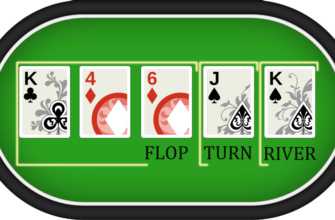
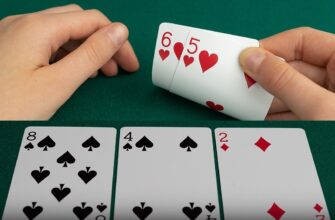
Before you even sign up, know that No-Limit Texas Hold’em is the most popular poker variant worldwide—especially for beginners. It’s the game you’ll see in the World Series of Poker (WSOP) and most online rooms. In Hold’em, each player gets two private cards (“hole cards”), and five community cards are dealt face-up on the “board.” Your goal is to make the best five-card hand using any combination of your hole cards and the board.
Other games like Omaha or Stud exist, but as a newcomer, stick with Texas Hold’em. You can explore variants like Omaha poker later—once you’re comfortable with the fundamentals.
Step 2: Register at a Reputable Online Poker Room
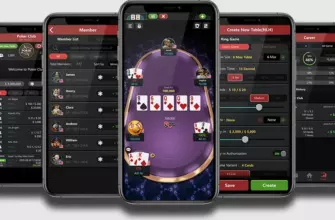
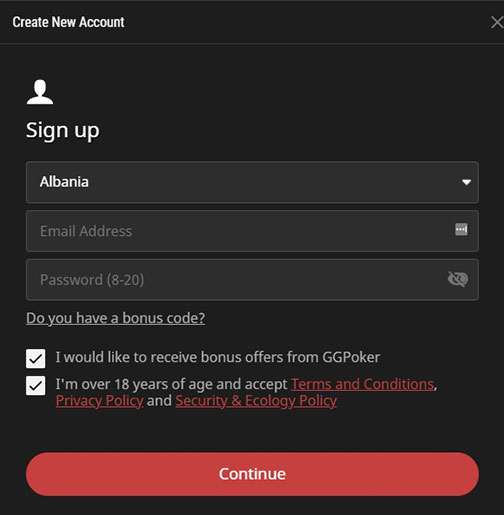
Signing up is free and takes just a few minutes. Choose a well-known, licensed poker site that operates legally in your region (e.g., GGPoker, PokerStars, or 888poker—depending on your country). During registration:
- Use your real name (it must match your ID for withdrawals).
- Create a strong password and enable two-factor authentication if available.
- Verify your email address—most sites require this before you can play.
Don’t worry—you won’t need to deposit money right away. Most rooms offer play-money tables where you can practice with fake chips. This is the safest way to learn the interface, betting actions, and game flow without risking a cent.
Step 3: Learn the Basic Actions: Check, Call, Raise, Fold
At the poker table, you’ll have four main options on your turn:
- Check: Pass your turn without betting (only if no one has bet yet). Learn more about what “check” means in poker.
- Call: Match the current bet to stay in the hand.
- Raise: Increase the current bet.
- Fold: Give up your hand and stop playing the current round. See why folding is a smart move more often than you think.
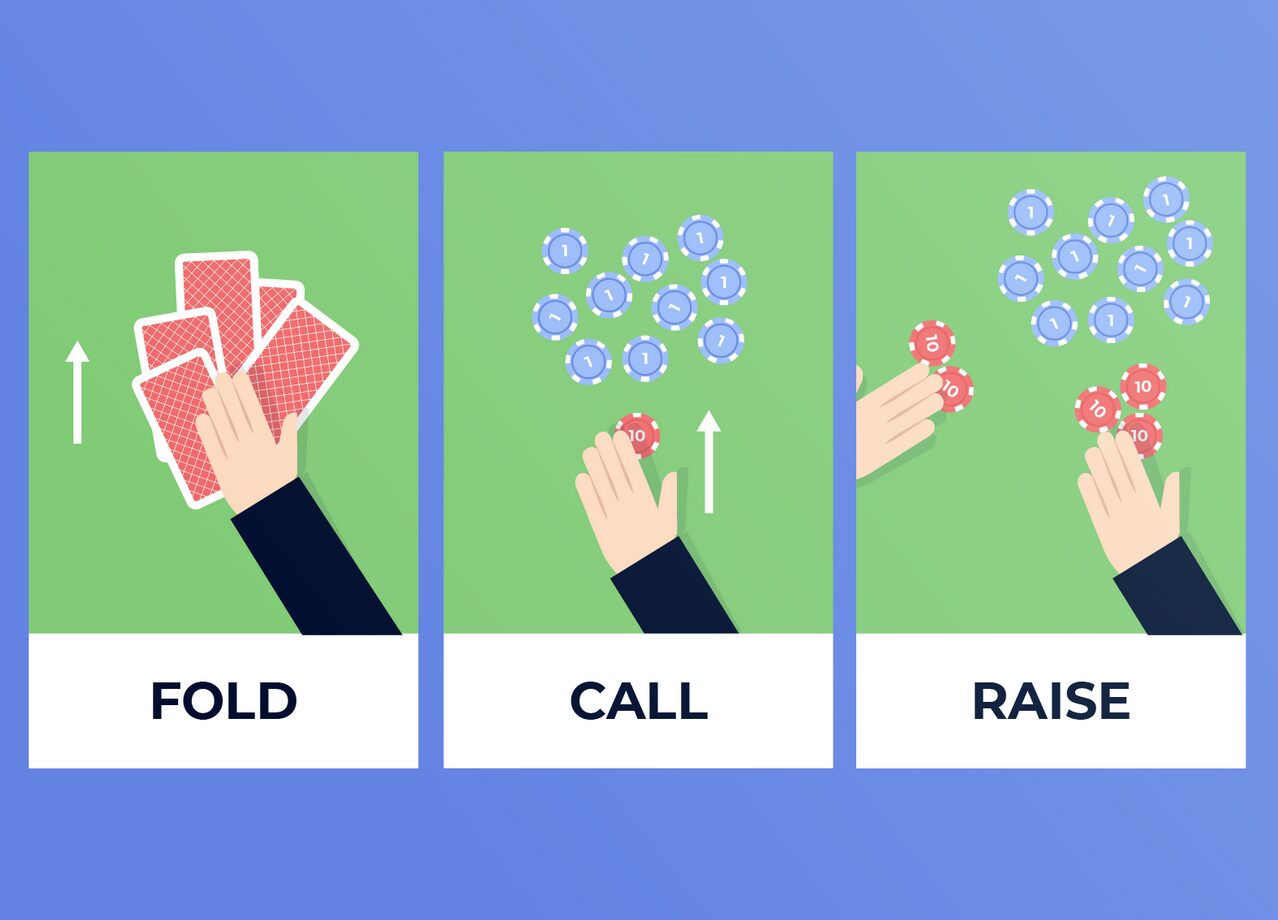
These actions form the backbone of every decision you’ll make. In your first few hands, don’t feel pressured to bluff or play aggressively. Focus on understanding when to stay in (with decent hands) and when to fold (with weak ones).
Step 4: Understand Blinds, the Button, and Position
Every poker hand starts with two forced bets called blinds—the small blind (SB) and big blind (BB)—posted by the two players left of the dealer button. The button rotates clockwise after each hand, ensuring everyone pays blinds equally over time.
Position matters a lot. Acting last (on the button or in the cutoff) gives you more information about your opponents’ actions, making it easier to make good decisions. Learn why position at the poker table is one of the most powerful strategic tools in the game.
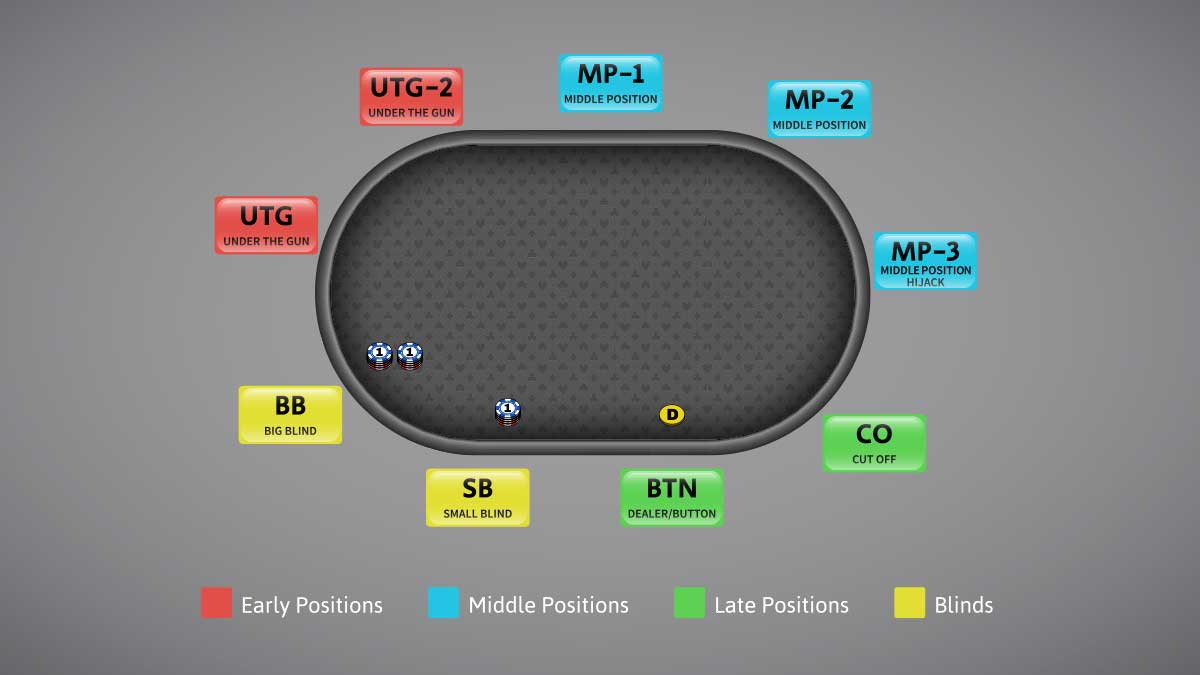
For a full breakdown of how blinds work—including what happens if you miss them—read our guide on what are blinds in poker.
Step 5: Choose the Right Game Type for Beginners
As a new player, avoid high-stakes cash games or large multi-table tournaments (MTTs) at first. Instead, try one of these beginner-friendly formats:
- Play-money tables: Zero risk, perfect for learning the software and rules.
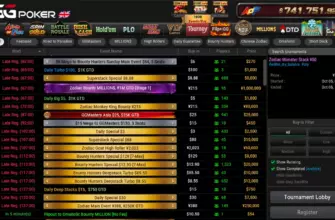
- Freeroll tournaments: Free to enter, but with real prize pools. They’re crowded, but great for building a bankroll. Discover how to build your bankroll with freerolls.
- Micro-stakes Sit & Gos (SNGs): Small tournaments (usually 6–9 players) with buy-ins as low as $0.10.
Avoid “rebuy” or “add-on” tournaments until you understand concepts like what an add-on in poker means—these formats can get expensive fast if you’re not careful.
Step 6: Play Your First Hand—What to Expect
Once you’re seated at a table:
- You’ll be dealt two hole cards (face-down).
- The player to the left of the big blind acts first (unless it’s heads-up).
- After the first betting round, three community cards (the flop) are revealed.
- Then comes the turn (4th card) and finally the river (5th card), each followed by betting.
- If more than one player remains after the river, there’s a showdown—the best hand wins the pot.
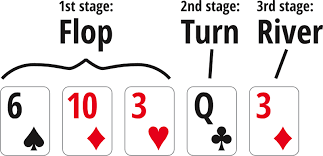
In your first hand, you might hold something like A♠ K♦. If no one has raised yet and you’re in late position, raising is a strong play. But if someone shoves all-in preflop with a hand like 7♠ 7♣, you’re in a classic coinflip situation—roughly 50/50 odds.
Remember: you don’t need to win every hand. In fact, folding 70–80% of your starting hands is normal for tight, winning players. Focus on playing strong starting hands like pairs, A-K, A-Q, or suited connectors. For a full chart, see our guide on which hand to play preflop.
Step 7: Avoid Common Beginner Mistakes
New players often fall into predictable traps. Here’s how to sidestep them:
- Playing too many hands: Patience is key. Wait for premium cards.
- Chasing draws without proper odds: Don’t call big bets hoping to hit a flush unless the pot odds justify it. Learn how to count outs and calculate odds.
- Getting emotionally tilted: Losing a big hand stings, but don’t let it ruin your judgment. Understand tilt in poker and how to manage it.
- Ignoring the flop, turn, and river dynamics: Post-flop play is where most money is won or lost. Start with our intro to how to play post-flop.
Step 8: Track Your Progress and Learn Continuously
Even casual players benefit from reviewing their sessions. Ask yourself:
- Did I fold when I should have?
- Did I overplay a marginal hand?
- Was I paying attention to my opponents’ patterns?
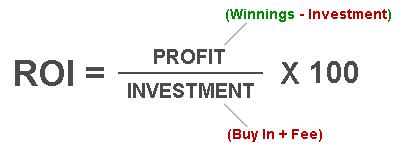
As you advance, you’ll care about metrics like ROI (Return on Investment) in tournaments or win rate in cash games—but for now, focus on making solid decisions, not profits.
And remember: poker has variance. Even the best players lose hands due to bad luck. That’s why understanding why variance runs the show in poker will keep you sane during downswings.
Conclusion: Your Poker Journey Starts Now
You don’t need to be a math genius or a Hollywood hustler to enjoy poker. With this step-by-step roadmap, you’re ready to register, choose a safe room, and play your first hand with confidence. Start with play-money games, master the basic actions, respect the blinds and position, and avoid emotional decisions.
Most importantly—have fun. Poker is a game of skill, psychology, and patience. Every pro was once a beginner who clicked “Check” for the first time. Now it’s your turn. Go play your first hand, learn from it, and keep coming back smarter.