
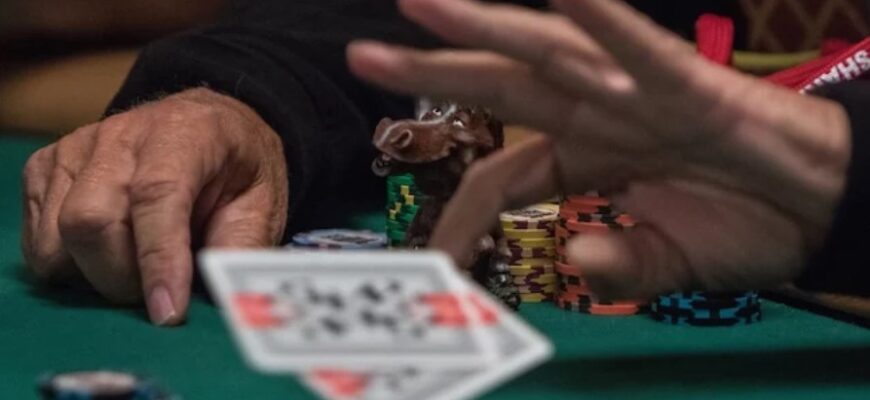
Folding is the most underappreciated yet essential skill in poker. While beginners chase every draw and cling to marginal hands, winning players know that disciplined folding preserves chips, maximizes expected value (EV), and keeps them in the game longer. Knowing when to fold isn’t about weakness—it’s about strategic precision.
Whether you’re playing multi-table tournaments or cash games, the ability to release hands at the right moment separates consistent winners from chronic losers. In this guide, we’ll break down folding decisions street by street, highlight common pitfalls, and reveal advanced techniques used by top players.
- Why Folding Is a Winning Move
- When to Fold Preflop: Starting Hand Discipline
- Folding on the Flop: Reading the Board and Your Opponent
- Common Flop Folding Scenarios
- Turn and River Folding: Avoiding the Sunk Cost Fallacy
- Folding in Tournaments vs. Cash Games
- Tournament Folding Considerations
- Cash Game Folding Nuances
- Advanced Folding Concepts: Fold Equity and GTO
- Psychological Barriers to Folding (And How to Overcome Them)
- Practical Example: A High-Stakes Folding Decision
- Conclusion: Folding Is Your Secret Weapon
Why Folding Is a Winning Move
Many players equate folding with losing, but in reality, folding is how you avoid losing more. Every chip saved is a chip you can use to apply pressure later. In fact, elite players often fold 70–80% of their hands preflop, especially from early position.
Folding also protects you from tilt—the emotional spiral that follows bad beats or poor decisions. By accepting that not every hand is worth fighting for, you maintain mental clarity and bankroll stability over the long run.
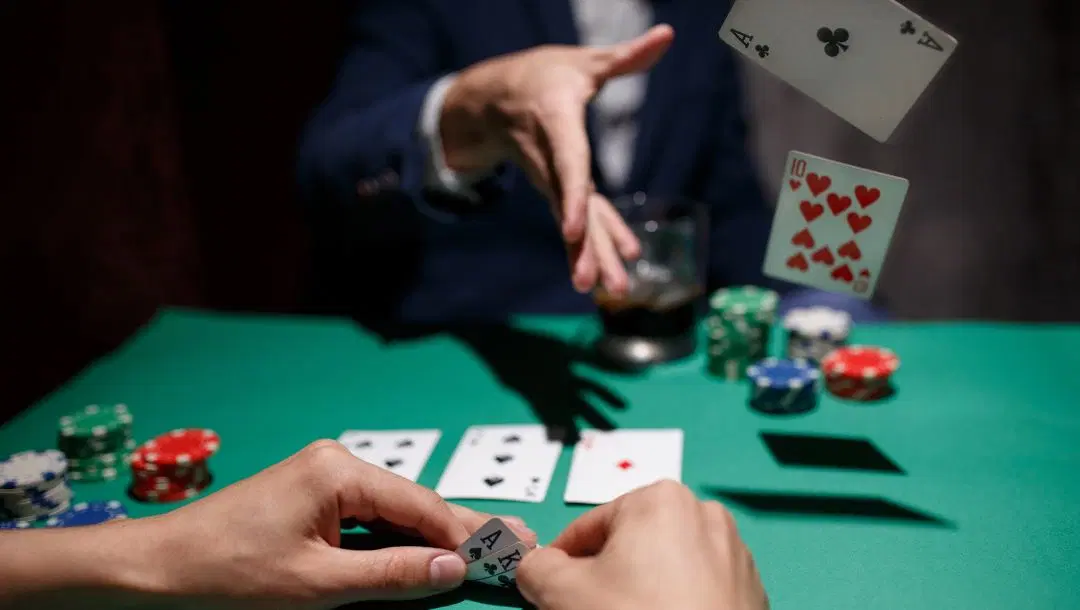
Remember: poker isn’t about winning every pot. It’s about making the highest-EV decision in every situation. And often, that decision is to fold.
When to Fold Preflop: Starting Hand Discipline
Your preflop folding decisions set the tone for the entire hand. The biggest leak among recreational players is playing too many hands from poor positions. Stick to solid ranges based on your position and table dynamics.
From early position (UTG, UTG+1), fold everything except premium hands like AA–TT, AK, and AQ. From the button or cutoff, you can widen your range—but still avoid speculative hands like 7-2 offsuit or J-3 suited unless you’re deep-stacked and facing weak opponents.
Key preflop folding triggers:
- You’re facing a 3-bet from a tight player with a marginal hand like KJo or A9o.
- You’re in the blinds and a strong regular raises from early position—fold unless you have a strong calling hand.
- You’re in a tournament near the bubble with a short stack and get shoved on by a big stack—fold anything but top 10% hands.
For a complete guide on which hands to play, see our breakdown of which hand to play preflop.
Folding on the Flop: Reading the Board and Your Opponent
The flop reveals 71% of the final board, making it the first real test of your hand’s strength. Many players make the mistake of continuing with weak top pairs or gutshot draws without considering board texture or opponent tendencies.
Ask yourself: “Does my hand beat the range my opponent is likely to continue with?” If the answer is no—or even “maybe”—folding is usually correct.
Common Flop Folding Scenarios
- Overcards with no pair: You hold KQ, and the flop is A-9-4 rainbow. Unless you’re in position against a weak player, folding to a bet is often best.
- Weak top pair: You have A-5 on an A-7-2 board, and a tight player leads into you. They likely have A-J or better—fold unless you have a strong kicker.
- Missed draws: You called with a gutshot straight draw and the flop doesn’t improve you. Without additional equity (like a backdoor flush draw), fold to aggression.
For more on this critical street, explore the flop in poker: a key stage of the game.
Turn and River Folding: Avoiding the Sunk Cost Fallacy
The turn and river are where most money is lost—and where folding discipline pays off most. By the river, you’ve seen 100% of the board. If your hand hasn’t improved, and your opponent shows strength, it’s time to let go.
One deadly mistake: “I’ve already put so much in, I can’t fold now.” This is the sunk cost fallacy—and it destroys bankrolls. Chips already in the pot are gone; only future decisions matter.
On the turn, fold if:
- A scare card hits (e.g., a third flush card or an overcard that pairs the board).
- You have second pair or bottom pair and face a double barrel from a competent player.
- Your draw didn’t complete, and you’re not getting the right odds to call.
On the river, fold unless you have a credible hand that beats your opponent’s likely value range. As a rule of thumb: most river bets are for value, not bluffs.
Master these tough decisions with our deep dive into turn and river play.
Folding in Tournaments vs. Cash Games
Folding strategy shifts dramatically between formats due to stack sizes, payout structures, and risk tolerance.
Tournament Folding Considerations
In tournaments, survival often trumps chip accumulation—especially near the bubble or final table. Short-stacked players should fold all but premium hands when facing all-ins, while big stacks can apply pressure but should avoid unnecessary flips.
During the early stages of a freezeout poker event, play tighter than in cash games. As blinds rise, adjust—but never chase hands out of desperation.
Cash Game Folding Nuances
In cash games, you can rebuy anytime, so folding is purely about hand strength and EV. However, don’t overfold against aggressive regulars—they’ll exploit your passivity. Use opponent profiling to identify bluffers and call down lighter when appropriate.
Advanced Folding Concepts: Fold Equity and GTO
Savvy players don’t just think about when to fold—they also consider how their folding frequency affects their overall strategy. This ties into two key concepts: fold equity and GTO (Game Theory Optimal) play.
Fold equity is the added value you gain when your bet causes an opponent to fold a better hand. But to credibly bluff, you must also be willing to fold when your bluffs are called. Learn how to calculate fold equity to balance your range.
In GTO poker strategy, folding frequencies are mathematically calibrated to make you unexploitable. For example, if you never fold to a river shove, opponents will stop bluffing you. If you fold too often, they’ll bluff relentlessly. The goal is equilibrium.
Psychological Barriers to Folding (And How to Overcome Them)
Even experienced players struggle with folding due to emotional and cognitive biases:
- Ego: “I can’t let them bluff me off my hand.” → Remind yourself: folding to a bluff means they paid to win a small pot. Let them.
- Curiosity: “I just want to see what they have.” → This costs real money. Only call if it’s +EV.
- Revenge tilt: After a bad beat, players overplay weak hands to “get even.” → Take a break. Protect your ROI.
Track your folding decisions in a journal. Over time, you’ll spot patterns and improve your discipline.
Practical Example: A High-Stakes Folding Decision
You’re in a $1/$2 NLHE cash game. You raise to $6 from the cutoff with A♠J♠. The big blind, a tight-aggressive regular, calls.
Flop: K♦8♣3♥. He checks. You bet $8 (c-bet). He calls.
Turn: Q♠. He checks again. You bet $20. He raises to $60.
What do you do?
Analysis: The turn completes multiple strong hands—KQ, AQ, KJ, sets, and even two pair. Your A-J is likely dominated. Against this player type, a turn raise usually means strength. Folding here saves you $60+ and avoids a river disaster.
This is a classic spot where folding feels bad—but is absolutely correct.
Conclusion: Folding Is Your Secret Weapon
Great poker isn’t about the hands you win—it’s about the hands you avoid. Mastering when to fold boosts your win rate, reduces variance, and keeps you mentally sharp. From preflop discipline to river courage, every fold is a step toward long-term profitability.
Start today: review your last session and identify one hand you should’ve folded. Then commit to folding more often in similar spots. Over time, this single habit will transform your game. Remember—folding in poker isn’t quitting. It’s choosing to fight another hand, on your terms.


