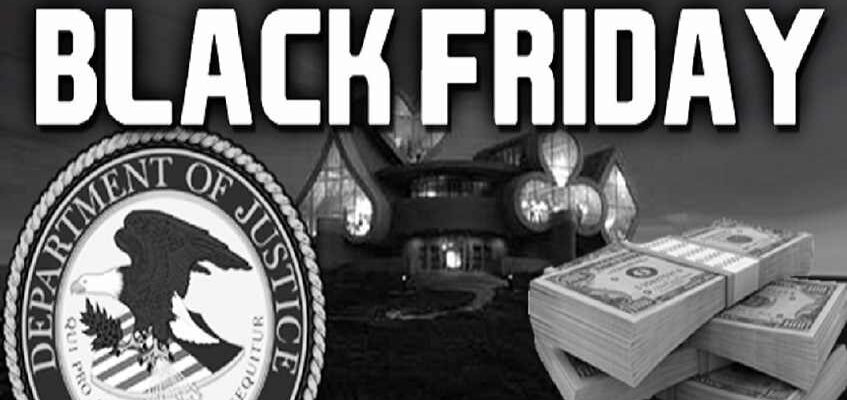
April 15, 2011—known as “Black Friday” in the poker world—marked a seismic shift in the history of online poker in the United States. On that day, the U.S. Department of Justice (DOJ) shut down three of the largest online poker sites, freezing player funds and effectively ending legal real-money online poker for millions of Americans. This event didn’t just disrupt a booming industry—it reshaped careers, altered tournament ecosystems, and forced players to rethink how they approached the game.
- What Happened on Poker’s Black Friday?
- Why Did the Government Target Online Poker?
- Who Was Hurt the Most?
- The Aftermath: Rebuilding and Rebranding
- Lessons for Modern Poker Players
- Key Takeaways for U.S. Players Today
- Is There Hope for a U.S. Online Poker Renaissance?
- Final Thoughts: Remembering Black Friday
What Happened on Poker’s Black Friday?
On Black Friday, the DOJ unsealed indictments against the founders of PokerStars, Full Tilt Poker, and Absolute Poker, accusing them of bank fraud, money laundering, and violating the Unlawful Internet Gambling Enforcement Act (UIGEA). Simultaneously, the FBI seized the domains of these sites, locking U.S. players out of their accounts—many of which held thousands, even hundreds of thousands, of dollars. The immediate fallout was chaos: players couldn’t access their money, tournaments were canceled, and the dream of a regulated U.S. online poker market seemed dead.
What made this crackdown especially jarring was the context. Online poker had exploded in popularity after Chris Moneymaker’s legendary 2003 WSOP Main Event win—a victory made possible by a $39 online satellite qualifier. By 2006, the WSOP Main Event drew nearly 8,800 players, fueled largely by online qualifiers. PokerStars and Full Tilt had filled the void left by PartyPoker’s 2006 U.S. exit, becoming dominant platforms for American grinders and casual players alike.
Why Did the Government Target Online Poker?
Although the UIGEA of 2006 restricted financial transactions related to online gambling, it didn’t explicitly outlaw poker. Many legal experts argued that poker is a game of skill—not chance—and should be exempt from gambling laws. Nevertheless, the DOJ took a hardline stance, claiming that online poker constituted illegal gambling and that the operators had conspired to deceive U.S. banks.
This legal gray area created a double standard: while online poker was targeted, other forms of internet betting—like horse racing and daily fantasy sports—remained legal. The poker community felt unfairly singled out, especially since poker’s skill-based nature distinguishes it from traditional casino games. Advocacy groups like the Poker Players Alliance (PPA) emerged to lobby for federal clarity and legalization, though meaningful reform remains stalled in Congress over a decade later.
Who Was Hurt the Most?
The human cost of Black Friday was immense. Thousands of professional and semi-professional players—often called “grinders”—saw their primary income vanish overnight. Many relied on multi-tabling cash games or grinding multi-table tournaments (MTTs) to make a living. With U.S. real-money sites gone, they were forced into risky alternatives: underground live games, unregulated offshore sites, or even leaving the game entirely.
Sponsorships dried up, poker TV shows disappeared, and the vibrant ecosystem of online qualifiers for live events collapsed. Even recreational players suffered—unable to withdraw funds or continue playing on trusted platforms. The psychological toll was significant too; many experienced downswings not from bad beats, but from systemic disruption beyond their control.
The Aftermath: Rebuilding and Rebranding
Despite the devastation, the industry didn’t die—it adapted. PokerStars, after acquiring Full Tilt’s assets in a 2012 settlement with the DOJ, eventually returned to the U.S. market in states like New Jersey, Pennsylvania, and Michigan once regulated online poker was legalized at the state level. Full Tilt was relaunched as a skin under PokerStars’ network before being phased out.
Importantly, the DOJ allowed players to reclaim their funds by mid-2011, though the process took months and required extensive documentation. This restored some trust, but the damage to the U.S. online poker economy was irreversible. The era of easy access, massive player pools, and global liquidity was over—for Americans, at least.
Lessons for Modern Poker Players
Black Friday serves as a cautionary tale about the fragility of unregulated markets and the importance of bankroll management. Players who had diversified income streams or maintained disciplined ROI-focused strategies were better positioned to weather the storm. Today’s players should remember: never keep your entire bankroll on a single site, especially in jurisdictions without clear legal protections.
Moreover, the event underscores why understanding expected value (EV) extends beyond hand decisions—it includes evaluating the risk of the platform you play on. A +EV hand means little if your funds are frozen by a government action.
Key Takeaways for U.S. Players Today
- Play only on licensed, state-regulated sites (e.g., in NJ, NV, PA, MI) where player funds are segregated and protected by law.
- Monitor legislative developments—organizations like the PPA still push for federal clarity, and new states may legalize online poker.
- Build your bankroll cautiously using methods like freerolls or small buy-in tournaments to minimize exposure.
- Diversify your poker activities—mix cash games, MTTs, and live play to reduce reliance on any single format or platform.
Is There Hope for a U.S. Online Poker Renaissance?
Yes—but it’s fragmented. Since 2013, several states have launched regulated online poker markets. While liquidity is limited compared to the pre-Black Friday global pools, innovations like multi-state compacts (e.g., the shared player pool between NJ, NV, and Delaware) show promise. PokerStars and other operators continue to invest in these markets, suggesting long-term confidence.
Still, the dream of a unified U.S. online poker network remains distant. Until federal law changes, players must navigate a patchwork of state regulations. Yet the resilience of the poker community—evident in record WSOP turnouts even in 2011—proves the game’s enduring appeal.
Final Thoughts: Remembering Black Friday
Poker’s Black Friday wasn’t just a legal event—it was a cultural turning point. It exposed the vulnerabilities of an unregulated digital economy and forced players to mature in their approach to risk, both at the tables and in their choice of platforms. While the golden age of U.S. online poker may be gone, its legacy lives on in smarter, more cautious players and a renewed push for fair, clear legislation.
For new players, studying Black Friday is essential context—much like understanding what a check means or how to read opponents. It’s part of poker’s history, and history shapes strategy. Stay informed, play responsibly, and never assume the game you love is immune to forces beyond the felt.