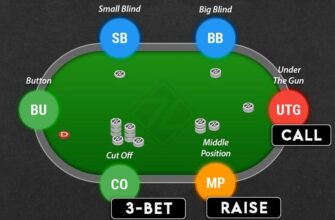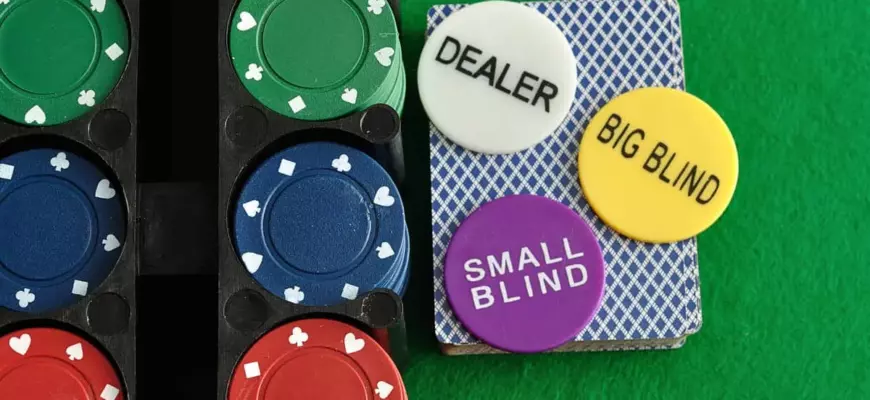
Blinds are mandatory bets that kick off every hand in popular poker variants like Texas Hold’em and Omaha. Placed by the two players to the left of the dealer button, they create an initial pot and force action—ensuring the game stays dynamic and engaging. Without blinds, players could simply fold weak hands endlessly, turning poker into a slow, unprofitable grind.
Whether you’re playing your first online poker session or a high-stakes tournament, understanding blinds is essential to sound bankroll management, position play, and long-term profitability. This guide breaks down everything you need to know—from basic rules to advanced strategic implications.
- What Exactly Are Blinds?
- Blinds in Cash Games vs. Tournaments
- Cash Games: Stable Structure, Flexible Strategy
- Tournaments: Escalating Pressure
- Strategic Implications of Blinds
- Defending Your Big Blind
- Stealing Blinds
- Special Cases and Common Mistakes
- Heads-Up Play
- Missing Blinds
- Common Errors
- Blinds and Bankroll Management
- Advanced Insight: Blinds and Positional Awareness
- Final Thoughts: Respect the Blinds
What Exactly Are Blinds?
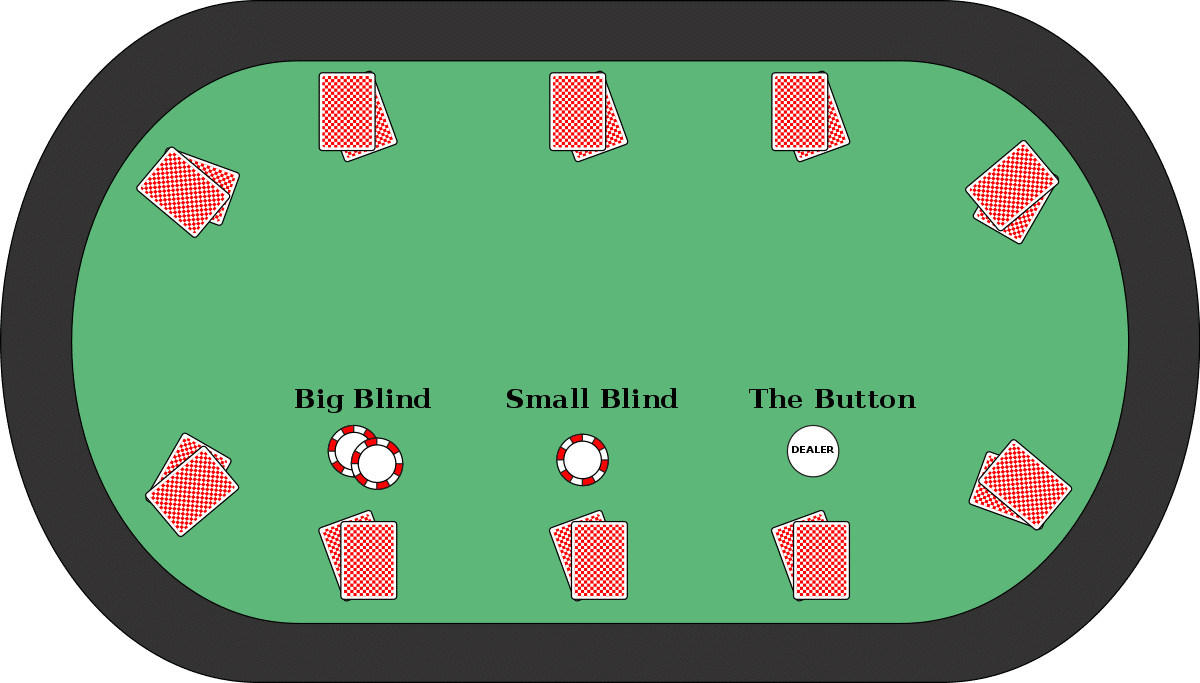
In poker, the small blind (SB) and big blind (BB) are forced bets posted before any cards are dealt. The player immediately left of the button posts the small blind, and the next player posts the big blind. The big blind typically equals the minimum bet for that hand (e.g., $1 in a $1/$2 game), while the small blind is usually half that amount—though it may be rounded up in some structures.
Once blinds are posted, the first round of betting begins with the player to the left of the big blind. That player can fold, call the big blind, or raise. The big blind acts last preflop and has the option to check if no one has raised, leading directly to the flop.
Blinds exist primarily in flop-based games like Hold’em and Omaha. Other formats, such as Seven-Card Stud, use antes instead. The key purpose of blinds is to seed the pot and incentivize players to enter the hand—making poker a game of calculated risk rather than passive waiting.
Blinds in Cash Games vs. Tournaments
Cash Games: Stable Structure, Flexible Strategy
In cash games, blind levels remain constant throughout your session. A $0.25/$0.50 table will stay that way whether you play 10 minutes or 10 hours. This stability allows for deep-stack play (often 100+ big blinds), enabling complex post-flop strategies like check-raising or multi-street bluffing.
Your buy-in is usually tied to the big blind—most online rooms require 20–100 BBs to sit down. Live games often allow 50–200 BBs. Because you can reload at any time, cash game blinds encourage aggressive play from late position, especially against passive opponents in the blinds.
Tournaments: Escalating Pressure
In tournaments, blinds increase at regular intervals (e.g., every 15 minutes). This rising structure creates natural time pressure, forcing players to accumulate chips or risk being blinded out. Early levels allow for tight, selective play, but as blinds grow, you must widen your range and take calculated risks.
Many tournaments also introduce antes alongside blinds in later stages, further inflating the pot and accelerating action. Unlike cash games, you can’t reload—so preserving your stack relative to the big blind is critical for survival. A stack of 10 BBs is considered short and often requires an all-in or fold decision.
Strategic Implications of Blinds
Defending Your Big Blind
Because you’ve already invested a full big blind, you get better pot odds to call raises when you’re in the BB. Against a standard open-raise from late position, you can often profitably defend with a wider range—especially if the raiser is loose or the effective stack depth is shallow.
However, don’t fall into the trap of “blind loyalty”—calling every raise just because you’ve already put money in. If the raiser is tight and the stacks are deep, folding marginal hands like J-7 offsuit is usually correct. Always consider your opponent’s range, position, and your post-flop playability.
Stealing Blinds
From the cutoff or button, you can frequently “steal” the blinds by raising with a wide range. Since the blinds are often posted by players who may fold to aggression, this is a high-EV play—especially in tournaments where every chip counts. The success of a blind steal depends heavily on your table image and your opponents’ tendencies.
For example, if the small blind is a nit who folds 90% of the time, a raise with K-8 suited from the button is often profitable—even if you don’t hit the flop. This concept ties directly into expected value (EV): you’re not trying to win a big pot; you’re collecting small, consistent gains.
Special Cases and Common Mistakes
Heads-Up Play
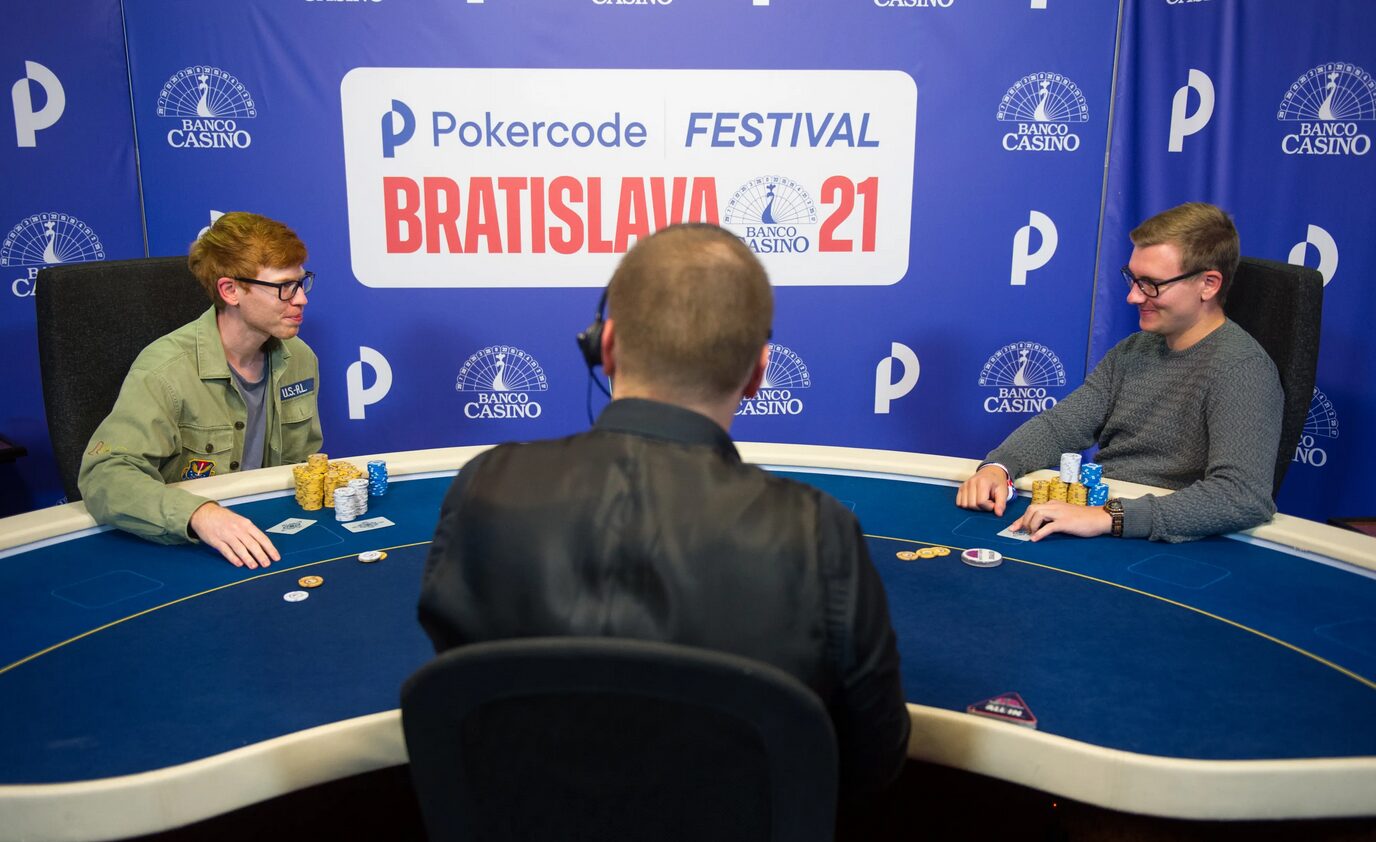
In heads-up (two-player) games, the button posts the small blind, and the other player posts the big blind. This flips the usual dynamic: the button acts first preflop but last on all post-flop streets. As a result, the button should open-raise with a very wide range—often 80%+ of hands—to apply constant pressure.
Missing Blinds
If you leave the table or sit out, most online rooms will automatically deduct your blinds when it’s your turn. In live games, you typically can’t be dealt in until you’ve posted any missed blinds. When rejoining, you may need to post a “dead” small blind and a live big blind to receive cards—a rule designed to prevent players from skipping their forced bets.
Common Errors
- Over-defending the small blind: The SB is a losing position long-term. Don’t call raises with weak hands just to “see a flop.”
- Ignoring stack-to-blind ratio: In tournaments, a 20 BB stack requires a different strategy than a 100 BB stack. Adjust accordingly.
- Failing to adjust to blind levels: As blinds rise, your hand selection must evolve. Holding onto premium-only ranges too long leads to gradual blinding out.
Blinds and Bankroll Management
Your choice of stakes should always align with your bankroll and the big blind size. A common rule is to have at least 20–30 buy-ins for cash games (e.g., $500 for $0.25/$0.50 NLHE). For tournaments, 50+ buy-ins are recommended due to higher variance.
If you’re building a bankroll from scratch, consider starting with freerolls to win your first few dollars, then move to micro-stakes tournaments or cash games. Tracking your ROI and winrate in big blinds per 100 hands (BB/100) helps you assess whether you’re ready to move up.
Advanced Insight: Blinds and Positional Awareness
Blinds define the worst positions at the table. You act first post-flop, giving opponents more information to exploit you. This is why position is so critical in poker strategy. Strong players avoid playing marginal hands from the blinds unless they have a clear plan.
Conversely, when you’re in late position, you should constantly evaluate opportunities to attack the blinds—especially if they’re occupied by tight or inexperienced players. Over time, these small edges compound into significant profits.
Final Thoughts: Respect the Blinds
Blinds may seem like a simple mechanic, but they shape nearly every strategic decision in modern poker. They dictate hand ranges, influence bet sizing, and determine tournament longevity. Mastering how to play from and against the blinds separates recreational players from consistent winners.
Remember: the blinds aren’t just “dead money”—they’re a strategic battlefield. Defend wisely, steal intelligently, and always respect the mathematical and psychological weight they carry. Whether you’re grinding micro-stakes or eyeing the final table, your relationship with the blinds will define your success.