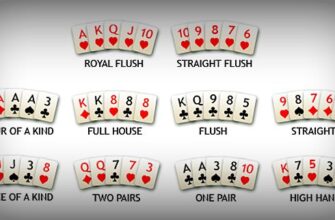
Winning at poker is not about avoiding bad luck, it is about making higher-quality decisions than your opponents over a large sample. Variance can make good players lose for weeks and bad players win for days, so the real goal is building a repeatable process. In practice, consistent winners combine solid fundamentals with targeted exploitation and emotional control. This guide lays out a blueprint you can apply in cash games or multi-table tournaments without turning poker into a guessing game.
Poker rewards long-term thinking, but it punishes short-term emotional decisions. If you judge your skill by one session, you will overreact to variance and drift into mistakes that are easy to avoid.
Use this article in two passes. First, skim the framework and the table to see which pillar is currently costing you the most money. Then read the worked hand example and copy the planning method: decide what you are trying to achieve on each street and what happens if you get called or raised. Finally, pick one pillar for the next week and track it with one simple metric, because focused improvement beats random studying.
You do not need perfect theory to start winning more. You need disciplined hand selection, a clear understanding of position, and a post-flop plan that matches the board and opponent. When those are in place, you can add higher-level tools like balancing and advanced bluffing without leaking chips. Most players fail because they try to do everything at once and end up doing the basics poorly.
A quick way to self-audit is to ask: am I losing money because I play too many hands, because I misplay turns and rivers, or because I tilt. The answer usually points to the next upgrade that matters.
- Build your winning foundation before the flop
- Position is a multiplier on every decision
- Post-flop: play ranges and textures, not feelings
- The blueprint table: what to fix first and how to track it
- Opponent profiling that actually changes your actions
- Bankroll rules that keep you in the game
- Control tilt before it controls your decisions
- Worked example: a hand that shows the winning process
- If/then rules you can apply today
- FAQ
Build your winning foundation before the flop
Most long-term losers start by entering too many pots and defending too wide from bad positions. Preflop discipline makes every later decision easier because you reach the flop with stronger ranges and clearer advantage. In practice, you want tighter ranges in early position and wider ranges late, with extra care when stacks are shallow. If you want a structured baseline to start from, use which hands to play preflop to anchor your opens and calls.
If you often feel confused on the flop, it is usually a preflop problem. Weak preflop selections create weak post-flop spots where you rely on hope and hero calls instead of logic.
Position is a multiplier on every decision
Position matters because acting last gives you more information and more control over pot size. In position, you can take free cards, choose thinner value bets, and apply pressure when opponents show weakness. Out of position, you are forced to guess more often, and your bluffs need to be sharper because you realize less equity. A solid understanding of position at the poker table is one of the fastest ways to improve your winrate without changing anything else.
A common pattern is that players treat the button like a small advantage. In reality, position changes what hands you can profitably play and how aggressively you can push marginal edges.
Post-flop: play ranges and textures, not feelings
After the flop, stop asking what your opponent has and start asking what their range can realistically look like after their line. Board texture determines which hands connect, which draws exist, and how often a bet will work. Your job is to choose actions that make sense for your range and keep worse hands in while pushing better hands out. For a focused framework on these spots, study how to play post-flop and pay attention to why certain boards want small bets and others want more checking.
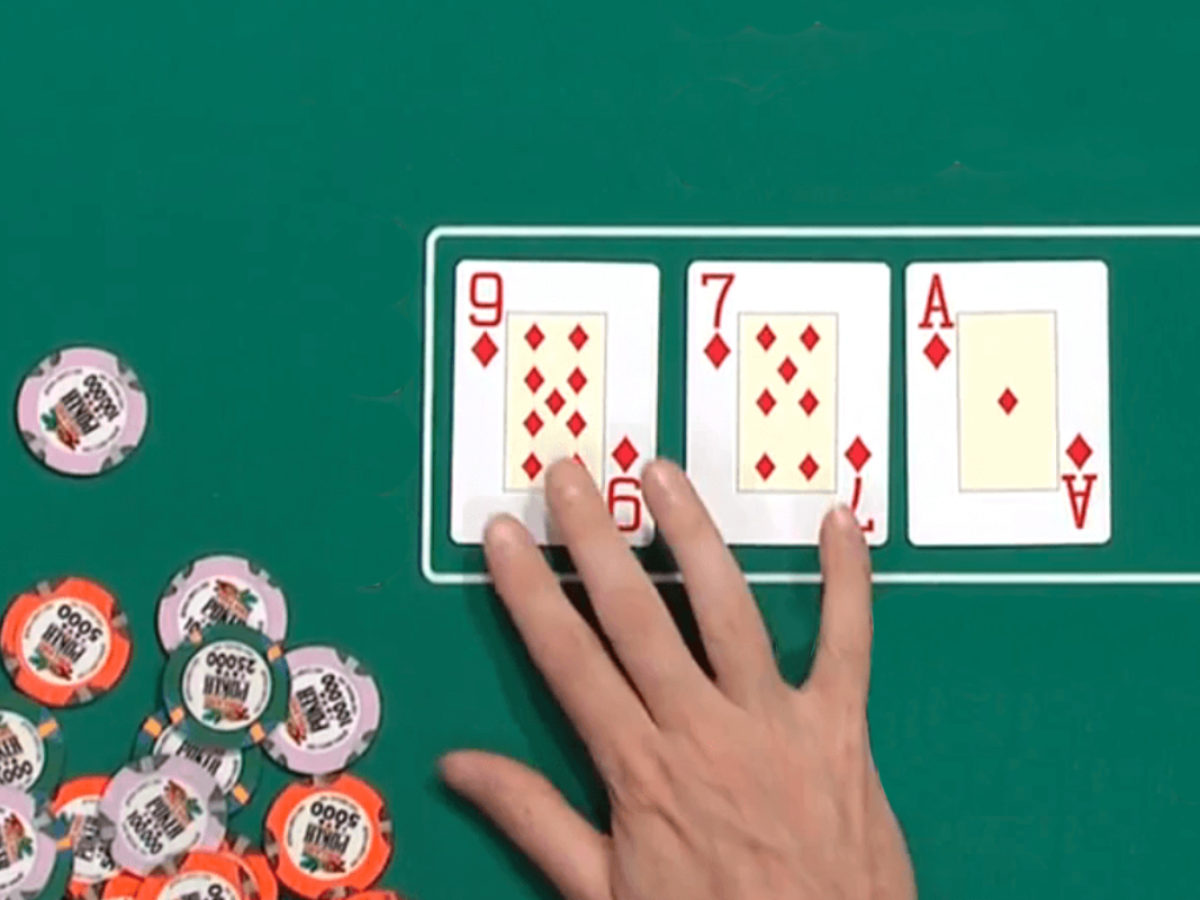
- Dry boards: bet smaller more often, because opponents miss frequently and you do not need huge pressure to win the pot.
- Dynamic boards: check more and bet more selectively, because many hands can continue and raises become more common.
- Monotone boards: do not autopilot large bets without a plan, because single-suit textures create polarized ranges fast.
- Paired boards: apply pressure to capped ranges, but respect the fact that trips exist more often than players assume.
Post-flop leaks usually show up on the turn and river. If you bet the flop without knowing which turn cards you will continue on, you will often fire again out of habit and pay too much for information.
The blueprint table: what to fix first and how to track it
Winning poker is a set of skills that reinforce each other, so it helps to diagnose the biggest leak before you try to improve everything. The table below gives you a practical way to prioritize, with a simple metric to track and a quick adjustment that shows results fast. In practice, tracking one metric for a week is enough to expose whether the leak is strategic or emotional. Use it as a menu and focus on the item that costs you the most big pots.
| Pillar | What winning players do | What losing players do | One metric to track | Fast correction |
|---|---|---|---|---|
| Preflop selection | Enter fewer pots, raise more than limp | Call too wide, defend junk out of position | Hands played per orbit | Cut the bottom of your calling range first |
| Position | Apply pressure in position, control pot OOP | Play the same ranges everywhere | Winrate by seat | Tighten early seats, widen late steals |
| Post-flop planning | Choose sizes by texture and target hands | Auto c-bet and auto barrel | Turn c-bet success | Check more on turns that help the caller |
| Value betting | Bet thin when worse hands can call | Miss value, then bluff too much | River value bet frequency | Choose a size that gets called by bluff-catchers |
| Bluff discipline | Bluff with blockers and clear targets | Bluff because the hand looks weak | Bluffs per 100 hands | Remove low-equity, no-blocker river bluffs |
| Mental game | Quit sessions with a clear head | Chase losses and force action | Biggest punt pot per session | Set a stop-loss and take breaks earlier |
If you are unsure what to study next, start with the pillar that produces the biggest swings in your sessions. The fastest improvements usually come from preflop discipline and cleaner turn decisions, not from fancy bluffs.
Opponent profiling that actually changes your actions
Reading opponents is not about magical tells, it is about noticing repeatable patterns and adjusting your strategy. In practice, classify players by how often they enter pots and how willing they are to fold to aggression. Against players who call too much, value bet more and bluff less. Against players who fold too much, increase pressure with smaller, frequent bets and well-chosen bluffs.
A simple rule is that your opponent type tells you where your money comes from. Callers pay your value bets, folders pay your bluffs, and balanced players force you to play tighter and cleaner.
Bankroll rules that keep you in the game
Even strong players go broke if they play stakes their bankroll cannot support. Cash games are generally more stable than tournaments, so you can use fewer buy-ins, while tournaments demand more because downswings are longer and more brutal. If you are building from a small roll, bankroll building with freerolls can help you practice without risking money while you develop fundamentals. In practice, your bankroll plan should also include a stop-loss and a rule for moving down when variance hits.
If moving down stakes feels painful, you are probably playing too high. A sustainable bankroll plan removes fear from decisions, which is one of the biggest hidden edges in poker.
Control tilt before it controls your decisions
Tilt is not only anger, it is any emotional state that pushes you away from your normal strategy. Some players tilt into aggression and spew chips, while others tilt into fear and fold too much. The solution is to recognize early signs, create a reset routine, and protect your bankroll with session rules. If you want a clear breakdown of triggers and fixes, start with tilt in poker and treat it like a skill you can train.
A practical reset is simple: stand up, breathe, review the last big decision, and decide whether you are still following your plan. If not, end the session or switch to lower stakes until you are back to baseline.
Worked example: a hand that shows the winning process
This example shows how a winning approach combines preflop discipline, texture awareness, and a river plan. The goal is not to memorize the line, but to see how each street has a purpose. Notice how the river decision is set up by earlier sizing, not by last-second guessing. In practice, your biggest winrate jump comes from avoiding the two most common leaks: paying off obvious strength and bluffing without a target.
$1/$2 NLHE cash, 100bb effective
Hero (Cutoff): Ad Kd
Villain (Big Blind) calls

Preflop: Hero raises to $6, Villain calls
Pot $13

Flop: Kc 8h 3s
Villain checks, Hero bets $5, Villain calls
Pot $23

Turn: 2d
Villain checks, Hero bets $14, Villain calls
Pot $51

River: Qs
Villain checks, Hero acts
On the flop, the small bet is designed to get called by worse pairs, deny equity to overcards, and keep the pot manageable if the opponent is tricky. When the opponent calls, their range often includes Kx with worse kickers, pocket pairs, and some floats, with fewer strong hands than many players assume. The turn bet grows because value targets are still present and you want to charge hands that picked up equity. The key is that the turn size is large enough to build value but not so large that only better hands can continue.
On the river queen, you should value bet when worse kings and bluff-catchers can still call, and you should avoid oversized bets that fold out the hands you beat. A practical sizing is around one-third to one-half pot, which gets called by many Kx hands and sometimes by stubborn pairs that do not believe you. An alternative line is checking back to avoid being check-raised, but that often leaves money on the table against passive opponents. Another alternative is betting very large, which can turn a profitable value spot into a thin bluff because the calling range becomes too strong.
This hand shows the core winning habit: choose a size that gets called by worse hands and avoid making your own life harder. If your bet size answers the question for your opponent, you will win smaller pots than you should.
If/then rules you can apply today
- If you are unsure whether to play a hand preflop, then fold it and wait for a clearer edge.
- If you are out of position on a dynamic board, then check more and avoid bloating the pot with medium strength.
- If your flop bet gets called, then pick turn cards that improve your story or your equity before you barrel.
- If only better hands can call your river value bet, then your size is too big or you should check.
- If you feel the urge to win back losses quickly, then end the session or drop stakes immediately.
- If a player never folds pairs, then value bet thinner and remove most pure bluffs.
FAQ
How long does it take to start winning at poker? In most games, you can see measurable improvement quickly once you tighten preflop and reduce turn and river mistakes. Consistent long-term winning usually requires hundreds or thousands of hands, not a few sessions. Track your decisions and focus on one leak at a time.
Is poker mostly luck or skill? Short-term results are heavily influenced by variance, which is why even good players can have losing weeks. Over a large sample, skill dominates because better decisions create higher expected value repeatedly. The best way to feel this is to review hands where you lost money and identify whether the decision was still correct.
What should I study first to win more? Start with preflop ranges by position, then learn basic post-flop planning and value betting. Many players study bluffs too early and ignore the fact that value betting and folding correctly win more money. A simple weekly routine with hand reviews will outperform random theory browsing.
How do I stop calling too much on the river? In practice, tighten your calling range against players who rarely bluff and focus on whether your hand beats their value range. If you cannot name realistic bluffs they can have, folding is usually correct. Also pay attention to bet sizing, because large river bets are often underbluffed in many pools.
How big should my bankroll be? A common baseline is 20 to 30 buy-ins for cash games and significantly more for tournaments because downswings are longer. If you feel pressure in normal pots, you are likely playing too high for your roll. The right bankroll lets you make clear decisions without fear.