In poker, a “call” is the action of matching the current bet to stay in the hand. While it seems simple—just click “call” or toss in chips—the decision to call is often one of the most nuanced and strategically rich choices you’ll make. Done correctly, calling extracts maximum value or realizes equity; done poorly, it bleeds chips and fuels tilt.
This guide dives deep into the mechanics, psychology, and math behind calling. Whether you’re grinding freerolls or playing high-stakes MTTs, mastering when—and when not—to call is essential to long-term profitability and positive ROI.
- What Does “Call” Mean in Poker?
- Strategic Reasons to Call
- Calling with Draws: Equity and Pot Odds
- When Calling Becomes a Leak
- Calling in Different Poker Formats
- Cash Games
- Tournaments
- Advanced Calling Concepts
- Minimum Defense Frequency (MDF)
- Blocking and Unblocking
- Turn and River Calling
- How to Improve Your Calling Game
- Final Thoughts: Call with Purpose
What Does “Call” Mean in Poker?
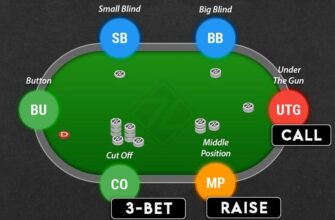
A call occurs when a player matches the amount of the current bet or raise to remain in the hand. For example, if an opponent bets $10, calling requires you to put in $10. If someone raises to $25 after a $10 bet, you must call $25 total (or $15 more if you’ve already put in $10).
Calling is only possible after a bet has been made. If no one has bet in the current round, your options are to check (pass without betting) or bet yourself. Preflop, the big blind can “check” only if no one has raised—otherwise, they must call, raise, or fold.

In online poker, you’ll see a “Call” button; in live games, you say “call” or place the correct chips into the pot. Note: string betting (saying “call” then adding more chips to raise) is illegal in most cardrooms.
Strategic Reasons to Call
Calling isn’t passive—it’s a deliberate choice with specific strategic goals. Here are the most common valid reasons to call:
- Value Realization: You have a strong but non-nut hand (e.g., top pair with a good kicker) and believe your opponent will bet worse hands.
- Equity Realization: You hold a draw (e.g., flush or straight draw) and are getting the right pot odds to continue.
- Inducing Bluffs: On the river, calling with a medium-strength hand can encourage opponents to bluff more on future streets.
- Trap Setting: Slow-playing the nuts by calling instead of raising to let opponents build the pot.
For instance, holding A♠K♠ on a K♦7♣2♥ flop against a continuation bet, calling makes sense—you have top pair with a strong kicker and decent showdown value. But calling with 9♠8♠ on the same board without a draw is usually a mistake.
Calling with Draws: Equity and Pot Odds
One of the most common—and profitable—reasons to call is to chase a draw. But not all draws warrant a call. You must calculate whether the pot is offering sufficient odds.
Use the rule of 2 and 4: multiply your outs by 2 on the turn or 4 on the flop to estimate your equity percentage. If your equity exceeds the percentage of the pot you’re being asked to invest, the call is +EV.
Example: You have a flush draw (9 outs) on the flop. Your opponent bets half the pot. You need ~25% equity to call (1 / (1 + 2) = 33% pot share, so 25% equity break-even). Your draw has ~36% equity—so calling is correct.
In Omaha, wraps can give you 13–20 outs. As explained in our guide to wraps in Omaha, these monster draws often justify large calls—even against big bets.
When Calling Becomes a Leak
Many players lose money not by folding too much, but by calling too much. Here are the most damaging calling mistakes:
- Hero Calling: Calling big bets on the river with marginal hands “because they’re bluffing”—without solid reads.
- Calling Without Equity: Sticking around with weak high cards (e.g., Q-7 offsuit) against multiple bets with no draw.
- Ignoring Position: Calling out of position makes post-flop play harder and reduces your ability to control the pot.
- Chasing Coinflips Unnecessarily: In deep-stack cash games, calling all-ins with 50/50 hands like A-K vs. TT often costs more in rake and variance than it’s worth. See our breakdown of coinflips in poker for context.
A classic leak in tournaments is calling too light when blinds are high. As noted in freeroll strategy, calling with speculative hands at high blind levels burns chips you can’t afford to lose.
Calling in Different Poker Formats
Cash Games
In cash games with deep stacks (100+ big blinds), calling is often used to realize equity with draws or keep pots multi-way with speculative hands. However, over-calling out of position leads to difficult turn and river decisions.
GTO-informed players use precise calling ranges based on board texture and opponent bet sizing. For example, on a dry A-7-2 board, you might call only with top pair+ or strong backdoor draws. On a wet 9♠8♠7♦ board, your calling range expands to include gutshots and combo draws.
Tournaments
In tournaments, stack depth dictates calling frequency. With short stacks (<20 BBs), calling is often a mistake—you should either shove or fold. With deep stacks early on, calling is more viable.
Near the bubble, ICM pressure may make calling an all-in incorrect—even with 60% equity—if elimination risks a major payout drop. Conversely, in freezeout tournaments, preserving chips often outweighs marginal +EV calls.
Advanced Calling Concepts
Minimum Defense Frequency (MDF)
MDF tells you the minimum percentage of your range you must call to prevent opponents from profitably bluffing any two cards. If your opponent bets half-pot, you must defend at least 67% of the time.
However, MDF assumes your opponent is bluffing optimally. Against passive players who rarely bluff, you should call less than MDF. Against aggressive bluffers, call more.
Blocking and Unblocking
Your hole cards affect how likely your opponent is to have certain hands. Holding an ace (a “blocker”) makes it less likely they have strong ace-high combos, making calling safer. Conversely, holding middle cards on a coordinated board may “unblock” their strong range, making calling riskier.
Turn and River Calling
Calling becomes more selective on later streets. By the river, most bets are polarized—either strong value or bluffs. Your decision hinges on whether your hand beats their bluffing range.
As detailed in our guide to playing the turn and river, calling on the river with second pair or a weak top pair is often a losing proposition unless you have a strong read.
How to Improve Your Calling Game
Becoming a better caller requires discipline and analysis. Follow these steps:
- Track Your Calls: Use software like Hold’em Manager to review which hands you call with and how often they win.
- Study Opponent Tendencies: Learn when opponents bluff or value bet too thin. Our guide on reading opponents can help.
- Practice Fold Discipline: Sometimes the best call is no call. Train yourself to fold when the math or reads don’t support calling.
- Use GTO as a Baseline: Understand solver-recommended calling ranges, then adjust based on opponent weaknesses. Learn more in our GTO poker strategy guide.
Final Thoughts: Call with Purpose
A call in poker is never “just a call.” It’s a strategic decision that should align with your hand strength, position, opponent tendencies, and game format. Whether you’re trying to win at poker consistently or simply avoid costly mistakes, mastering the call is non-negotiable.
Remember: great players don’t call hoping to be right—they call because the situation demands it. Before you click “call,” ask yourself: “What am I beating? What am I losing to? And is this the highest-EV play?” If you can answer clearly, you’re on the path to calling like a pro.