Let’s dive into Omaha and break down how it differs from Texas Hold’em, plus get into some winning strategies for pot-limit Omaha. First off, Omaha rarely gets played in a no-limit format. Instead, limit and pot-limit versions are the go-to. While Hold’em revolves around the pre-flop and flop, in Omaha, it’s all about the flop and the turn. That’s why Hold’em is often called a “flop game,” and Omaha, a “turn game.”
Winning Tips for Pot-Limit Omaha
To crush it in pot-limit Omaha, keep these key strategies in mind:
- Be picky with hands: Know which hands to play depending on your position at the table.
- Choose the right table: Finding the right table for your level and style can make a huge difference.
- Read your opponents: Get a sense of who bluffs, who plays tight, and exploit those tendencies.
- Use aggression wisely: Don’t hesitate to raise, re-raise, or even make a big bet if your hand is strong. Bluffing is useful but should be calculated.
- Keep your cool: Don’t let past wins or losses impact your decisions. Omaha has a lot of variance, so even a solid strategy won’t stop losing streaks now and then.
Key Differences Between Pot-Limit Omaha and Hold’em
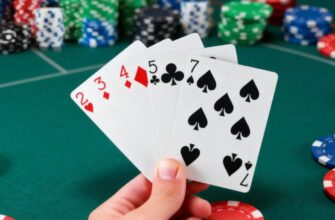
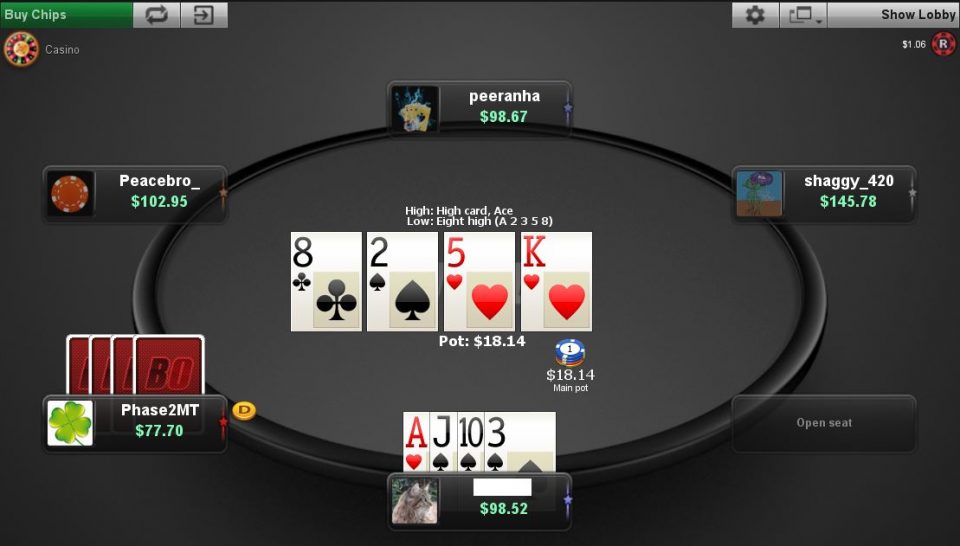
Omaha’s four-hole card setup is the biggest reason it’s different from Hold’em, where you only get two. This extra card combo increases your chances of making a strong hand, which is why more people stay in for the flop. The pot in Omaha also grows fast, pulling players in deeper with each street.
In Hold’em, the pot at showdown often goes to hands like one or two pairs. In Omaha, those hands likely won’t stand a chance. For instance, if there’s a flush draw, it’s almost guaranteed someone will hit it, and pairs on the board often lead to trips or a full house.
With all these combinations, bluffing becomes trickier in pot-limit Omaha. Betting for value is essential since many hands end up being draws, so take advantage when you have a high equity hand to maximize profit.
The Role of Position in Pot-Limit Omaha
Position matters a lot in Omaha, even more than in Hold’em. In Hold’em, position mostly affects your chances of winning the hand; in Omaha, it can determine your ability to control the pot size. Also, Omaha makes it harder to exploit tight players because bluffing is more limited in this format.
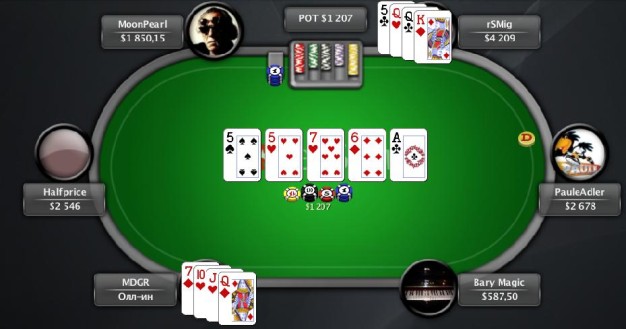
Pot-Limit Rules in Omaha
Not familiar with pot-limit vs. no-limit betting? Here’s the rundown: pot-limit means your max bet is the total pot size plus whatever you’re calling. Here’s an example:
Say there’s 100 chips in the pot. Player 1 bets another 100. What’s the max bet Player 2 can make? It’s 400 chips. Here’s why: the pot has 200 now, and calling costs 100. Add another 100 for your own bet, and that makes it 400 total. So, 400 chips is the max bet for this example.
While online poker auto-calculates this, it’s good to know the math behind it. Just take the total pot, add the call, and double it.
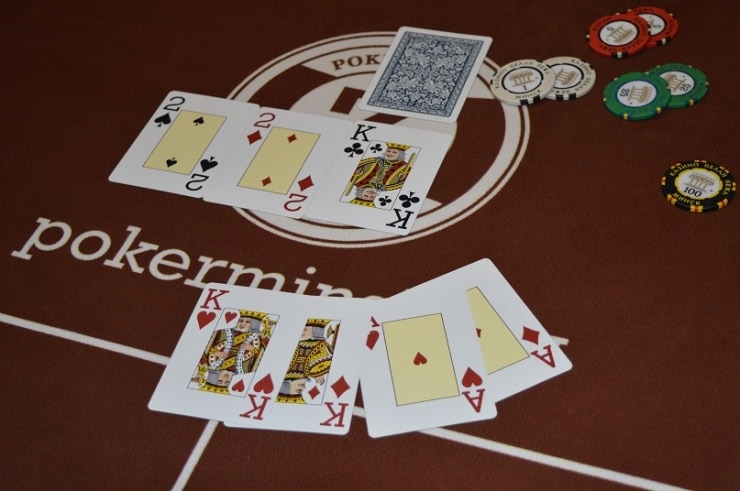
In Omaha, big bets usually mean big hands. In Hold’em, you might bet big on a bluff. But in Omaha, a pot-sized bet often signals strength, so don’t fall for a bluff that easy.
Pro Tips for Winning Pot-Limit Omaha
Here are some must-follow tips if you want to master Omaha:
- Don’t overestimate starting hands: Only two of your four cards can contribute to a final hand, so don’t go overboard on draws.
- Play by opponent behavior: Observe opponents’ play styles and take advantage of their weaknesses.
- Respect big bets: Unlike Hold’em, large bets in Omaha often mean a real hand.
- Don’t bet first with weak draws: Hold back on betting aggressively with draws, even with plenty of outs. Wait for them to close before getting assertive.
- Two pocket aces aren’t everything: Aces dominate in Hold’em, but in Omaha, without a third ace on the flop, they’re vulnerable.
- Stick to the nuts: Omaha’s all about the nuts, so aim to play only hands with high potential or guaranteed strength.
Many newbies make common mistakes in pot-limit Omaha. First, they tend to overvalue pocket pairs that would be strong in Hold’em. Second, they limp in with weak draws that don’t have enough outs. They also often jump into the pot too easily, and in Omaha, pre-flop shouldn’t be passive—if you’re holding a strong hand, don’t hesitate to act on it.