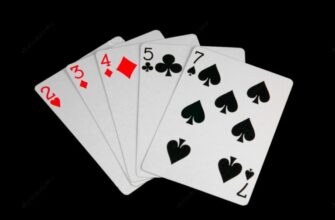
Razz is a lowball variant played in a seven-card stud format where the lowest five-card hand wins. Unlike many poker games, the board information is mostly visible, so decisions are built on what everyone can see rather than hidden community cards. That visibility rewards players who plan streets ahead instead of hoping to improve by accident. If you enjoy pattern recognition and disciplined folding, Razz is one of the most skill-driven games in mixed rotations.
If you are new to stud games, start with the core idea and keep everything simple. Build a strong starting hand range, track which low cards are already “dead,” and avoid paying off when your opponent’s board clearly out-runs yours. This guide focuses on the parts of Razz that change outcomes the most: third-street selection, dead-card awareness, and fifth-street decisions when the big bet kicks in.
- How to use this guide while you are playing
- What counts as a good hand in Razz
- Antes, bring-in, and the betting streets
- Starting hands that win often enough to keep
- Dead cards: the information advantage you can actually use
- Street plans that fit limit betting
- Third street: decide if you are building or stealing
- Fourth street: the first real range separation
- Fifth street and beyond: protect leads, abandon rough boards
- Worked example: a complete hand from third street to showdown
- Rules of thumb you can use without counting everything
- Where Razz shows up: mixed rotations and online tables
- FAQ: quick answers for new Razz players
How to use this guide while you are playing
Use the guide as a short routine you can repeat every hand. First, compare your door card and two hidden cards to the visible cards on the table and decide if your draw is live. Second, look at your opponent’s upcards and ask whether their board can realistically beat a smooth eight or better by seventh street. Third, choose a plan for the next street, so you are not guessing when the bets get bigger.
Do not try to memorize every edge case on day one. In most games, you will win more by folding rough hands early than by making clever bluffs later. Focus on avoiding the big losing patterns: calling on third street with dominated boards and chasing low cards that are already gone. Once those leaks are plugged, you can add steals, thin value, and pressure on later streets.
Before you continue past third street, run a quick check. Are your three cards unpaired and eight or lower, and are your key outs still live in the upcards? Is your opponent showing a rough board that will struggle to finish a strong low by the river? If the answer is no on both, folding early usually saves multiple big bets later.
What counts as a good hand in Razz
Razz hand ranking is inverted: low cards are good and pairs are bad. Aces always play as low, and straights and flushes do not hurt your hand, so you never “break” a low by completing them. You still make the best five-card hand out of your seven cards at showdown, and the lowest high card wins when hands are compared. The best possible hand is A-2-3-4-5, often called the wheel.
In Razz, your goal is to build a five-card low with no pairs. Straights and flushes are ignored, which means A-2-3-4-5 and A-2-3-4-5 of the same suit are equally strong. When comparing lows, start at the highest card in each low and work downward until one hand is lower.
| Hand (best five cards) | Nickname | How it compares | Quick note |
|---|---|---|---|
| A-2-3-4-5 | Wheel | Best possible | Always the nuts in Razz, regardless of suits. |
| A-2-3-4-6 | Six-low | Beats any seven-low | Smooth lows with small top cards win the biggest pots. |
| 2-3-4-6-8 | Eight-low | Beats any nine-low | Often strong enough to value bet in many lineups. |
| 3-4-7-8-9 | Nine-low | Loses to most clean eights | Playable in some spots, but fragile when boards improve. |
| 2-3-4-7-7 | Paired low | Usually loses | A pair makes your hand much worse than it looks. |
Antes, bring-in, and the betting streets
Razz is typically played as fixed-limit, which means you win by accumulating small edges repeatedly. Every player posts an ante, and the player with the highest door card posts the bring-in to start action. If you need a refresher on forced bets, the concept is explained in what an ante is in poker. After the bring-in, players can call, complete to the small bet, or raise within the limit structure.
The deal follows stud order: third street begins with two down cards and one up card, then one up card arrives on fourth, fifth, and sixth, and a final down card comes on seventh. On third and fourth street, bets are at the small limit, and from fifth street onward the big bet applies. Action on each street starts with the lowest exposed board, which makes door cards and later upcards extremely important. This structure creates a constant tension between protecting a lead and avoiding expensive calls when your board turns rough.
Fixed-limit Razz punishes “just one more card” thinking. Because the big bet starts on fifth street, a loose call on fourth can easily turn into multiple big bets when you fall behind. If your board gets rough and your opponent stays smooth, folding earlier is often the highest-value play. Save your calls for spots where your outs are live and your opponent’s board is clearly capped.
Starting hands that win often enough to keep
Razz begins on third street, and most long-term profit comes from folding the wrong starts. A strong start is three unpaired low cards, preferably eight or lower, with a door card that does not invite steals against you. The biggest hidden skill is how well your start interacts with dead cards, because visible cards remove your outs immediately. If you start with a wheel draw but several of your key ranks are already out, your hand may be far weaker than it looks.
| Third-street start | Example | When to play | Main reason |
|---|---|---|---|
| Premium three-card low | A-2-3, A-2-4, 2-3-4 | Raise or complete most of the time | High chance to make a smooth low and pressure rough boards. |
| Strong eight-or-better | A-3-7, 2-6-8, 3-5-8 | Play more from late position and versus high door cards | Can finish as a strong eight or seven when outs are live. |
| Two-card low with a rough kicker | A-2-K, 2-3-Q | Mostly fold unless you have a powerful steal spot | Too many runouts create pairs or high lows that cannot value bet. |
| Paired or high-heavy starts | 7-7-2, 9-T-4 | Fold in almost all lineups | Pairs and high cards reduce your ability to build a winning low. |
A common winning pattern is to attack rough door cards early. When you show a smooth low card and your opponent shows a face card, your range is naturally stronger and you often control the action. That pressure matters because many opponents will fold later streets when their board cannot catch low. Winning small pots repeatedly is a core part of limit Razz success.
Dead cards: the information advantage you can actually use
Because so many cards are face up, Razz gives you more public information than flop games. Dead cards are the visible cards that reduce the number of outs you can hit, and in many hands they are more important than your exact ranks. If the table shows multiple low cards of the ranks you need, your hand becomes less likely to improve and more likely to get trapped into calling. In practice, dead-card awareness is what separates “pretty starts” from profitable starts.
You do not need perfect memory to benefit from this. Track just a few key ranks at a time, especially the cards that would complete your best five-card low. Pay attention to whether your opponent’s improvement cards are live, too, because a smooth opponent board with live outs is a danger signal. If you cannot clearly describe what you are drawing to, you are probably calling too wide.
Razz rewards the player who treats upcards like a shared database. The board is not just decoration, it is the map that shows which hands can still exist. When you read that map well, you avoid chasing ghosts and you value bet with more confidence. Good Razz is less about surprise and more about disciplined prediction.
Street plans that fit limit betting
Third street: decide if you are building or stealing
On third street, choose whether your hand wants to build a pot or win the antes quickly. With a premium three-card low, you generally want to complete or raise because your hand can keep betting on later streets. With a marginal start, your best win often comes from a steal attempt against tight players with high door cards. If you are facing action from a smooth board behind you, your marginal calls get punished fast.
Fourth street: the first real range separation
Fourth street is where boards begin to diverge, and many players make expensive calls here. If you catch a low card and your opponent catches high, you should often bet to push your edge and charge their rough draws. If you catch high and your opponent stays smooth, folding now can save you a big bet on fifth when the limit increases. Your goal is to avoid paying for information when the board already tells a clear story.
Fifth street and beyond: protect leads, abandon rough boards
Once fifth street arrives, the big bet begins and mistakes scale up. If you have the best-looking board and live outs to a strong low, value betting is usually correct because many opponents will call down with dominated boards. If your board pairs or turns rough while an opponent stays smooth, you should fold more often than instinct suggests. Limit Razz is not about winning every pot, it is about avoiding the long, expensive fades when you are drawing thin.
Calling big bets with a rough board “because you started well” is a common losing pattern. A strong third street does not guarantee a strong seventh street, especially when your key outs are dead. If your opponent’s board is smoother and their improvement cards are live, you can be drawing close to dead even with a decent-looking hand. Folding sooner is usually better than donating multiple big bets to confirm what the upcards already show.
Worked example: a complete hand from third street to showdown
This example shows a typical limit Razz hand where one player starts strong but must still make disciplined decisions as boards develop. The goal is to show how to update your plan street by street using visible information. You will see where to apply pressure, when to slow down, and why a tempting call can be worse than it looks. The action line is written in a simplified format to keep it readable.
$5/$10 Razz, 8-handed, antes $1, bring-in $2
Third street:
Hero: (A♥ 4♣) 2♦
Villain: (7♠ 9♣) K♦
Hero completes to $5, Villain calls, others fold.

Fourth street:
Hero catches 8♣, Villain catches 3♠.
Hero bets $5, Villain calls.

Fifth street (big bet starts):
Hero catches 6♦, Villain catches A♣.
Hero bets $10, Villain calls.

Sixth street:
Hero catches Q♠, Villain catches 4♦.
Hero checks, Villain bets $10, Hero calls.

Seventh street:
Hero catches (5♣), Villain catches (2♠).
Hero checks, Villain bets $10, Hero calls.
On third street, Hero’s A-2-4 is a strong three-card low, and completing is standard because the hand can keep betting on many runouts. Villain calling with a K door card often means they have hidden low cards, but their visible board starts rough and will need help. On fourth street, Hero catches an 8, which is not ideal, while Villain catches a 3, which improves their board dramatically. Betting is still reasonable because Hero is likely ahead and wants to charge rough draws, but the hand is no longer a simple autopilot value line.
Fifth street helps Hero by pairing the eight problem with a six that smooths the low, while Villain catching an ace makes their board much more credible. When Hero catches a queen on sixth street, the board becomes visibly rough, and checking avoids paying big bets when behind is plausible. Villain betting into that check is often value, because their board looks smoother and they can represent a made low or a strong draw to one. Calling once can be correct because Hero still has a path to a strong hand with the right river and because folding every time you catch high can be too tight.
On seventh street, Hero improves by catching a five, which likely makes a seven-low using A-2-4-5-6. Villain’s final down card is unknown, but their visible board suggests they can have strong lows, and their river bet is frequently for value. The call is justified when Hero’s final hand is smooth enough to beat many eight and nine lows, and when Villain’s board indicates they could also end with a marginal low that still bets. An alternative line is to call the sixth-street bet and lead the river, but that line is worse because it lets Villain raise with stronger lows and forces Hero to face a difficult decision without added information.
A frequent mistake in hands like this is betting every street because you started with premium cards. In limit Razz, your board quality relative to the opponent matters more than your memory of third street. When your upcards turn rough, checking and calling once can be better than donating two bets into a stronger board. Pressure is valuable, but only when your visible story supports it.
Rules of thumb you can use without counting everything
- If you start with three unpaired cards eight or lower and your outs are live, then you should usually complete or raise on third street.
- If your opponent’s board is rough and they keep catching high, then keep betting for value because their best lows become unlikely.
- If you catch a pair or multiple high cards while an opponent stays smooth, then fold earlier rather than paying big bets to chase.
- If key low ranks you need are already visible in other boards, then tighten your continues because your draw is less live than it appears.
- If you are unsure on fifth street, then choose the line that avoids building a big-bet pot with a rough board.
Where Razz shows up: mixed rotations and online tables
Razz is a core game in many mixed formats, which is why it matters even if you do not play it every day. In rotations like HORSE, a player who treats Razz as a break becomes the easiest target at the table. The best approach is to keep a tight, disciplined baseline and avoid big mistakes, because the game’s structure naturally exposes weak starting ranges. Even small improvements in Razz often translate into better discipline in other poker variants.
Online Razz games are less common than hold’em, but they appear in mixed lobbies and special events. If you want to find stud variants more easily, sites with mixed offerings like GGPoker may have tables during peak hours or festival schedules. When table selecting, look for lineups with rough boards that call too often and do not track dead cards. In those games, straightforward value betting and disciplined folds can be enough to win.
FAQ: quick answers for new Razz players
Do straights and flushes ever count against you in Razz? No, they are ignored in hand ranking, so A-2-3-4-5 is always the best hand even if it is suited. What matters is whether your five-card hand contains pairs and how low your highest card is. This is why suitedness is not a reason to play a hand that is otherwise rough.
Is bluffing important in Razz? Bluffing exists, but it is far less central than in flop games because boards reveal so much information. In most games, players call too much when their boards look decent, and they fold too much when their boards turn rough. Your profit usually comes from value betting and from folding early when your board is clearly behind. Save advanced bluffs for spots where your board story is strong and the opponent’s is capped.
What is the biggest mistake beginners make on third street? Many players call with two low cards and a high kicker, then get trapped when the betting increases on fifth street. A-2-K looks tempting, but it produces too many rough lows and pairs over seven cards. Start with three low unpaired cards most of the time and your results become more stable. When you do play marginal hands, do it with a clear steal plan, not with hope.
How many dead cards are too many before I fold a strong start? There is no single number, but if multiple copies of your key ranks are already visible, your draw can become much less live. The more your hand depends on one specific rank, the more dead cards matter. If your opponent’s outs are live and yours are not, folding earlier is usually correct. Use visible boards as evidence, not as background noise.
Where can I double-check the full dealing and betting rules? If you want a precise reference for bring-in, betting limits, and street order, review the rules of Razz poker. Reading the rules once also helps you avoid procedural errors, especially when you move between different stud and mixed formats. After that, focus on starting hands and dead cards, because those two areas decide most outcomes.