HORSE poker is the gold standard of mixed-game poker—a rotating format that tests your versatility across five distinct variants: Hold’em, Omaha Hi-Lo, Razz, Seven-Card Stud, and Stud Eight-or-Better (Stud Hi-Lo). Unlike single-game formats, HORSE rewards well-rounded players who can adapt quickly, read boards accurately, and switch strategies every few hands. It’s a favorite in high-stakes cash games and a regular feature in World Series of Poker (WSOP) mixed-game events.
In this comprehensive guide, you’ll learn the rules of each HORSE component, the rotation structure, strategic adjustments for each game, and common pitfalls to avoid. Whether you’re preparing for a live mixed-game session or sharpening your all-around poker skills, mastering HORSE will make you a more complete and profitable player.
- What Is HORSE Poker?
- Breaking Down the Five Games
- 1. H – Limit Texas Hold’em
- 2. O – Omaha Hi-Lo (8-or-Better)
- 3. R – Razz (7-Card Stud Low)
- 4. S – Seven-Card Stud (High)
- 5. E – Stud Eight-or-Better (Stud Hi-Lo)
- Game Rotation and Structure
- Strategic Adjustments for Mixed-Game Play
- 1. Know Your Strengths and Weaknesses
- 2. Watch Opponents’ Tendencies Per Game
- 3. Manage Your Bankroll and Mindset
- Common HORSE Mistakes
- Advanced Tips for Winning HORSE Play
- Where to Play HORSE Poker
- Conclusion: Become a Complete Poker Player
What Is HORSE Poker?
HORSE is an acronym representing five poker variants, played in fixed rotation—typically one orbit (or one set number of hands) per game before switching. The order is always:
- H – Limit Texas Hold’em
- O – Pot-Limit Omaha Hi-Lo (8-or-Better)
- R – Razz (7-Card Stud Low)
- S – Seven-Card Stud (High Only)
- E – Stud Eight-or-Better (Stud Hi-Lo)
Most HORSE games use fixed-limit betting across all variants for consistency, though Omaha Hi-Lo is sometimes played pot-limit in private games. The WSOP and most online platforms (like GGPoker) standardize on fixed-limit HORSE to balance action and skill.
Breaking Down the Five Games
1. H – Limit Texas Hold’em
This is the only community-card game in HORSE. Each player gets two hole cards, and five community cards are dealt in stages (flop, turn, river). Betting is fixed-limit: small bets on the flop and turn, big bets on the river.
Strategy focus: Position, hand reading, and value betting. Unlike no-limit, you can’t bluff with oversized bets—so bluffing must be precise and infrequent. Learn the hand rankings and avoid overvaluing marginal hands like second pair.
2. O – Omaha Hi-Lo (8-or-Better)
Each player receives four hole cards and must make both a high hand (standard poker rankings) and a qualifying low hand (five unpaired cards, 8 or lower). The pot is split between the best high and best low—if a qualifying low exists.
Key concept: “Scoop” potential. Hands like A-2-3-4 double-suited can win both halves. Avoid “quartering”—splitting the low with another player while losing the high. Understand nut lows and when to spot wraps for straight potential.
3. R – Razz (7-Card Stud Low)
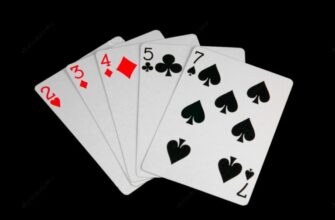
The goal is to make the lowest possible 5-card hand from 7 cards, with aces low and straights/flushes ignored. The best hand is A-2-3-4-5 (the wheel).
Betting: Fixed-limit. The highest visible card posts the bring-in; the lowest exposed hand acts first on subsequent streets. Tracking dead cards is crucial—memory separates winners from losers. For full rules, see our guide on rules of Razz poker.
4. S – Seven-Card Stud (High)
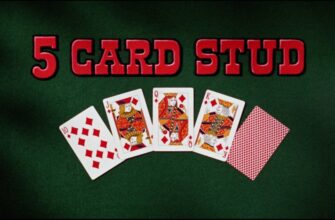
Classic stud: 2 down, 1 up initially, then four more cards (three up, one down). Best 5-card high hand wins. No community cards, no blinds—just antes and a bring-in.
Strategy tip: Door card strength matters. A pair showing is strong; a low card often indicates weakness. Track exposed cards to calculate realistic hand strength. Review the rules of seven-card stud to avoid structural mistakes.
5. E – Stud Eight-or-Better (Stud Hi-Lo)
Identical dealing structure to Seven-Card Stud, but the pot splits between the best high hand and best qualifying low hand (8 or lower, unpaired). You can scoop both halves with a monster like A-2-3-4 + strong high.
Danger zone: “Getting quartered.” If two players split the low and you only win high, you lose money long-term. Always evaluate both your high and low potential before committing chips.
Game Rotation and Structure
In live HORSE games, each variant is typically played for one full orbit (each player gets to be the dealer once). Online, it’s often 8–10 hands per game before rotating.
Betting limits remain consistent. For example, in a $20/$40 HORSE game:
– Hold’em: $20 bets on flop/turn, $40 on river
– Stud/Razz: $20 on third/fourth street, $40 from fifth onward
– Omaha Hi-Lo: Usually fixed-limit in HORSE ($20/$40), not pot-limit
Antes and bring-ins apply in all stud variants. In Hold’em, blinds replace antes—so adjust your early strategy accordingly.
Strategic Adjustments for Mixed-Game Play
1. Know Your Strengths and Weaknesses
Most players excel in one or two games and struggle in others. Identify your leaks. If you’re weak in Razz, focus on folding early rather than chasing impossible lows. If Omaha Hi-Lo confuses you, stick to hands with clear scoop potential.
2. Watch Opponents’ Tendencies Per Game
Some players crush Hold’em but bleed chips in Stud. Others fold too much in Razz. Use early orbits to gather data—then exploit weaknesses when the game rotates back.
3. Manage Your Bankroll and Mindset
HORSE has higher variance than single-game formats because you’re exposed to multiple game types. A bad run in Stud can offset wins in Hold’em. Stay emotionally neutral and avoid tilt in poker when your strong game isn’t active.
Common HORSE Mistakes
- Applying Hold’em logic to Stud: In Stud, there’s no bluffing by bet sizing—only by card exposure. Don’t “c-bet” the flop; it doesn’t exist.
- Ignoring low possibilities in Hi-Lo games: Chasing only high in Omaha or Stud Hi-Lo is a fast way to lose half the pot regularly.
- Overvaluing high pairs in Razz: A pair of Kings showing in Razz is a disaster—not a strength.
- Failing to adjust to fixed-limit dynamics: In limit games, pot control is impossible—so hand selection and value betting are paramount.
- Not tracking dead cards in Stud variants: If four 5s are visible, your 5-low draw is dead. Memory is part of the skill.
Advanced Tips for Winning HORSE Play
- Specialize in one “anchor” game: Be so strong in one variant (e.g., Razz) that you consistently win big there to offset losses elsewhere.
- Use position in Hold’em to build stacks: Since it’s the only position-based game, maximize value when on the button.
- Play tighter in unfamiliar games: It’s better to fold 70% in Stud Hi-Lo than gamble without understanding low qualifiers.
- Study hand histories across all five games: Use tracking software for Hold’em, but for Stud variants, keep manual notes on opponent tendencies.
Where to Play HORSE Poker
HORSE is rare in tournaments but common in high-stakes cash games. Online, GGPoker and PokerStars offer fixed-limit HORSE tables, often in their “Mixed Games” lobby. Live casinos like Bellagio and Aria in Las Vegas run $40/$80 HORSE games regularly.
For beginners, start with low-stakes online HORSE to practice rotation without pressure. It’s also an excellent way to build foundational skills—though freerolls rarely offer mixed games.
Conclusion: Become a Complete Poker Player
HORSE poker isn’t just a game—it’s a curriculum. By forcing you to master five distinct disciplines, it eliminates one-dimensional play and rewards true poker intelligence. You’ll improve your hand reading, memory, adaptability, and emotional control—all while having more fun at the table.
Start by learning the rules of each component game, then practice one at a time before combining them. Over time, you’ll not only survive HORSE—you’ll thrive in it. And once you’ve mastered HORSE, you’ll find that most other poker formats feel refreshingly simple.