
Poker Training

Choosing the right hands to play before the flop is one of the most critical decisions in poker. Whether you’re grinding micro-stakes cash games or battling
EV, or Expected Value, is the anticipated profit or loss from any given action in poker. It represents mathematical expectations rather than actual outcomes

Fold in poker means throwing your cards away and exiting the current hand. Once you fold, you lose any chips you’ve already put in the pot, if any.

Game Theory Optimal (GTO) poker strategy is a mathematically sound approach that makes your play unexploitable—meaning opponents can’t consistently profit
The check-raise is one of poker’s most powerful—and misunderstood—weapons. When used correctly, it extracts maximum value from strong hands or forces folds
As we know, there are two main ways to win a pot in poker: by having the strongest hand and taking the chips at showdown, or by making your opponent fold
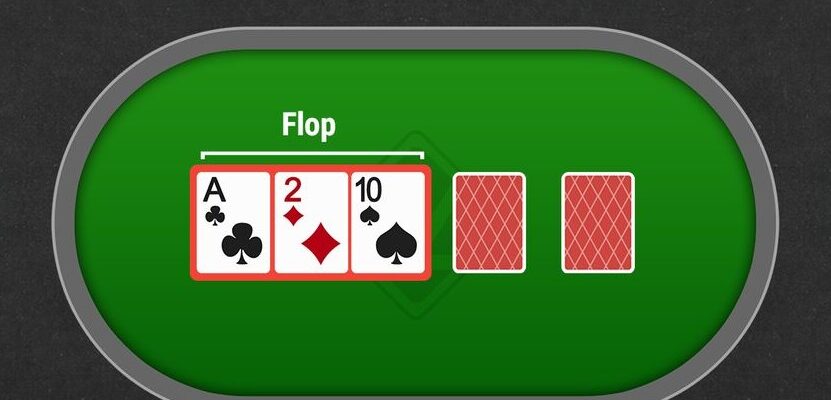
The flop is where poker transitions from theory to action. After the preflop betting round, the dealer reveals the first three community cards—suddenly

Winrate is the single most important metric for measuring your poker profitability over time. Unlike short-term results—which are heavily influenced by

Variance is the invisible force that makes poker both thrilling and frustrating. It’s the reason skilled players can lose for weeks—and recreational players

In home games and live poker settings without a professional dealer, the responsibility of dealing cards often rotates among players. Being the dealer